
Understanding Iran Dried Cherry Varieties
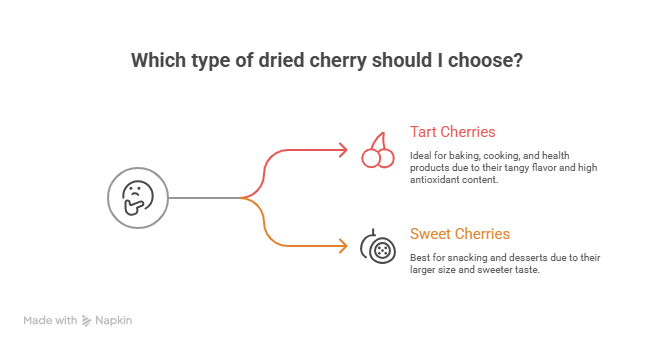
Iranian Dried cherries primarily come from two types: tart and sweet cherries. Similar to dried apricot, these varieties are chosen based on flavor, texture, and intended culinary use.
1. Tart Iranian Dried Cherry
Tart cherries, known for their vibrant red color and sharp flavor, are widely used in bakery products, confectionery, and health supplements. Their high antioxidant content makes them especially appealing to premium buyers.
2. Sweet Iranian Dried Cherry
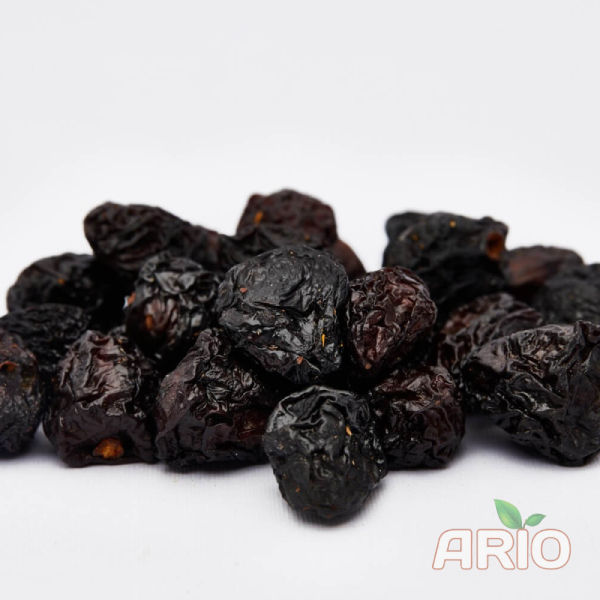
Sweet dried cherries from Iran are darker, softer, and ideal for snacks, trail mixes, and dessert applications. While they naturally have a shorter fresh shelf life, high-quality Iranian drying processes ensure long-lasting flavor and texture.
Table: Major Export Markets for Dried Cherry
| Exporting Country | Main Destinations | Competitive Advantage |
|---|---|---|
| Iran | Middle East, Europe | Competitive pricing, high quality |
| Turkey | Europe, Russia | Wide variety of dried products |
| USA | Canada, Japan | High production standards |
| Uzbekistan | Russia, China | Large-scale and seasonal production |
To explore other fruit categories such as Iran dried apple, check out our full product range.
To explore more dried fruit products, click here
Health Benefits of Iranian Dried Cherry
Dried cherries are not only delicious but also packed with nutrients. Like Dried Orange, they are rich in antioxidants and essential vitamins, making them a popular choice for health-conscious consumers.
High antioxidants: Contains anthocyanins and polyphenols
Vitamins & minerals: Vitamin C, potassium, iron
Natural melatonin: Supports sleep regulation
Dietary fiber: Enhances digestion and stabilizes blood sugar
Anti-inflammatory properties: Helps reduce muscle soreness and supports immune health
These benefits make Iranian dried cherry a preferred choice for functional food producers.
Global Market Trends for Iranian Dried Cherry
The global dried cherry market has witnessed significant growth in recent years. Much like the dried plum industry, this growth is fueled by consumer demand for natural ingredients, clean labels, and plant-based products.
- Market Size: Valued at approximately USD 5.7 billion in 2025, with projections reaching USD 14.55 billion by 2032.
- Growth Drivers: Increasing health awareness, demand for natural sweeteners, and the popularity of plant-based diets.
- Key Markets: North America, Europe, and Asia-Pacific regions show the highest demand, driven by the food and beverage industry’s need for natural ingredients.
Quality Standards for Iranian Dried Cherry Export
Ensuring quality and compliance is paramount in the dried cherry trade, whether sourcing whole tart cherries or dried pitted sour cherries.
- Certifications: Look for products certified with ISO 22000, HACCP, Organic, Kosher, and Halal standards.
- Quality Indicators: Uniform size, vibrant color, low moisture content, and absence of contaminants are key quality markers.
- Regulatory Compliance: Adherence to international food safety regulations ensures smooth cross-border transactions.
Sourcing Iran Dried Cherry: Supply Chain Insights
Major producers of Iranian dried cherry benefit from a long history of fruit cultivation, advanced sun-drying techniques, and competitive export pricing.
- Major producers include the United States, Turkey, and Iran, which also dominate other dried fruit categories like Aloo Bukhara, thanks to their advanced processing capabilities and export experience.
- Harvest Seasons: Understanding harvest periods helps in planning procurement and managing inventory.
- Supplier Evaluation: Assess suppliers based on certifications, processing facilities, and capacity to meet bulk orders — including production lines capable of supplying dried pitted sour cherries at scale.
Best Practices for Packaging and Storage of Iran Dried Cherry
Proper packaging and storage extend shelf life and maintain quality.
- Packaging Options: Vacuum-sealed bags, nitrogen-flushed pouches, and bulk containers are commonly used.
- Storage Conditions: Store in cool, dry places away from direct sunlight. Optimal storage temperatures range between 0°C to 4°C.
- Shelf Life: When stored properly, dried cherries can last up to 12 months without significant quality degradation.
When stored properly, Iranian dried cherries can remain fresh for up to 12 months.
Logistics and Transportation for Iranian Dried Cherry Export
Efficient logistics ensure that the integrity of Iran Dried Cherry shipments — including dried pitted sour cherries — remains intact.
Best Practices
Use temperature-controlled containers for large shipments
Prepare complete export documents (CO, Invoice, Packing List, Health Certificate)
Plan for transit delays and maintain inventory buffers
Importer Checklist for Iranian Dried Cherry Suppliers
| Category | Verification Item | What to Check |
|---|---|---|
| Company Legitimacy | Legal Registration | Verify business license, registration number, and official address. |
| Years of Operation | Confirm industry experience and years in production or export. | |
| Reputation | Check reviews, trade history, and credibility in the market. | |
| Quality Assurance | Certifications | Look for HACCP, ISO 22000, Organic, Halal, Kosher certifications. |
| Quality Control System | Request QC policies, lab test reports, and sampling procedures. | |
| Product Specifications | Ensure compliance with moisture limits, size uniformity, defects, and standards. | |
| Production Capability | Processing Capacity | Confirm monthly and annual production volume. |
| Technology and Equipment | Assess type of dryers, sorting systems, and packaging machinery. | |
| Supply Stability | Check ability to supply consistently and review seasonal production plans. | |
| Compliance and Safety | Food Safety Program | Review HACCP structure and critical control points. |
| Traceability | Ensure product traceability from farm to final packaging. | |
| Residues and Additives | Check SO₂ levels, added sugar, preservatives, and compliance with limits. | |
| Packaging and Logistics | Packaging Quality | Inspect packaging materials, vacuum sealing, nitrogen flushing. |
| Storage Conditions | Confirm warehouse standards, temperature control, FIFO system. | |
| Shipping Options | Evaluate transportation methods, timelines, and cargo insurance. | |
| Financial and Transaction Terms | Pricing Structure | Confirm pricing transparency and cost factors. |
| Payment Terms | Review payment methods such as LC, TT, and credit terms. | |
| Contract Flexibility | Evaluate MOQ, long-term agreements, and negotiation flexibility. | |
| Communication and Support | Responsiveness | Assess speed and professionalism in communication. |
| After-Sales Support | Check problem-solving ability and export customer support. | |
| Documentation | Ensure capability to provide CO, Health Certificate, Packing List, Invoice, and other export documents. |

Iran Dried Cherry Prices and Key Cost Factors in 2026
Several elements influence the pricing of dried cherries, including dried pitted sour cherries, which typically carry a premium over whole/unpitted cherries due to the added processing step.
- Production Costs: Labor, processing, and packaging expenses contribute to the final price.
- Market Demand: High demand periods, such as festive seasons, can drive prices up.
- Exchange Rates: Fluctuations in currency exchange rates affect international pricing.
- Quality Grades: Premium grades with certifications and superior quality command higher prices.
Premium Iranian dried cherry generally commands higher prices due to natural sweetness and lower additive usage.
Key Takeaways and Buyer Recommendations for Iranian Dried Cherry
Iran dried cherries — including dried pitted sour cherries — offer a lucrative opportunity for bulk importers and exporters, given their health benefits and growing market demand. To capitalize on this, businesses should:
- Identify Reliable Suppliers: Partner with producers who have the necessary certifications and a track record of quality.
- Understand Market Dynamics: Stay informed about global trends and consumer preferences to make strategic decisions.
- Ensure Compliance: Adhere to international standards and regulations to facilitate smooth trade operations.
- Optimize Logistics: Invest in efficient transportation and storage solutions to maintain product quality.
By focusing on these areas, businesses can effectively navigate the dried cherry market and achieve sustainable growth.
Frequently Asked Questions (FAQ)
1. What makes Iranian dried cherry unique in global markets?
The primary types are tart cherries and sweet cherries, each offering distinct flavors and uses.
2. Which countries import Iranian dried cherry?
The United States, Turkey, and Iran are among the top producers, offering various varieties and processing techniques.
3. How should Iranian dried cherries be stored?
Store in cool, dry conditions, ideally between 0°C to 4°C, in airtight packaging to extend shelf life up to 12 months.
4. What are the common uses of Iranian Dried cherries in the food industry?
They are used in baked goods, cereals, snack bars, salads, and as natural sweeteners in various products.
5. What is the difference between dried pitted sour cherries and whole dried tart cherries?
Dried pitted sour cherries have the stone removed before drying, making them ready to use directly in bakery, confectionery, and snack production, while whole tart cherries retain the pit and require additional processing before use.

Reviews
There are no reviews yet.