
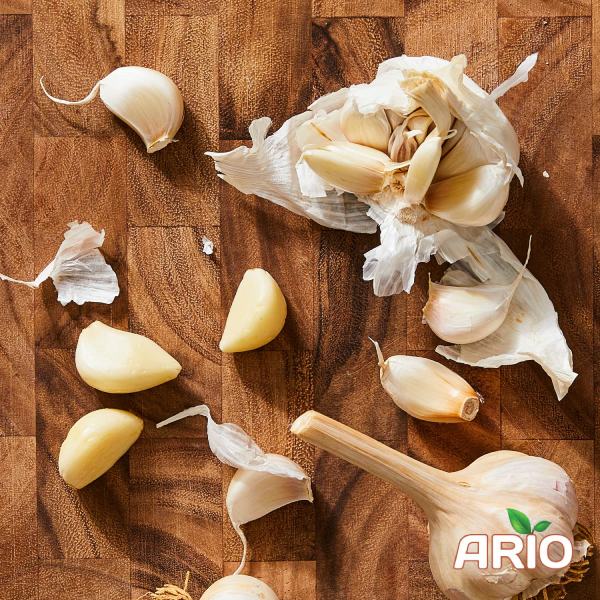
Why Buyers Choose Iranian (Persian) Garlic
Iran has grown garlic for centuries in regions like Hamedan and Khorasan, where a dry climate and mineral-rich soil produce bulbs with a notably pungent aroma, firm texture, and high allicin content — the sulfur compound behind garlic’s flavor strength and health properties.
While China dominates global garlic volume, Iranian garlic occupies a distinct position: buyers in the Middle East, Europe, and Central Asia increasingly seek it out specifically for its stronger flavor profile compared to Chinese-grown garlic, at a competitive export price.
Garlic (Allium sativum, HS Code 070320) belongs to the same broader spice and fresh-produce trade category as saffron and almonds — among Iran’s other major agricultural exports — and shares the same emphasis on traceability, grading consistency, and export documentation that international B2B buyers expect.

Our Garlic Products
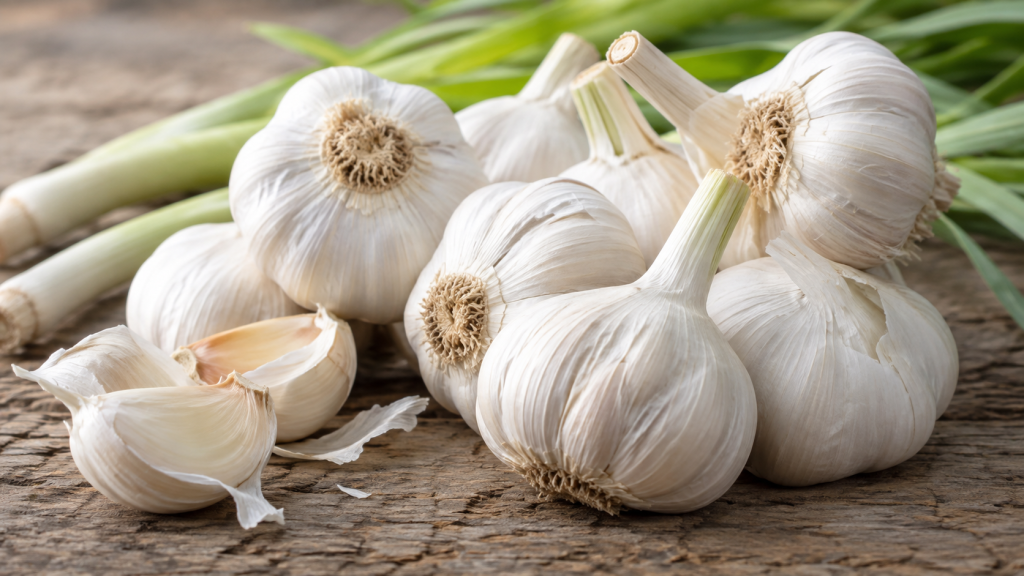
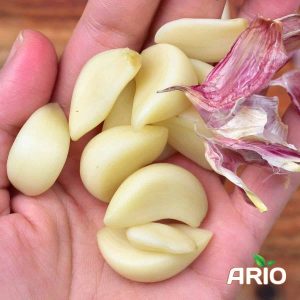
White Garlic
The most widely traded variety, with a classic sharp flavor and long shelf life.
White garlic is the standard choice for food processing, retail packaging, and bulk culinary use, and represents the majority of our export volume.
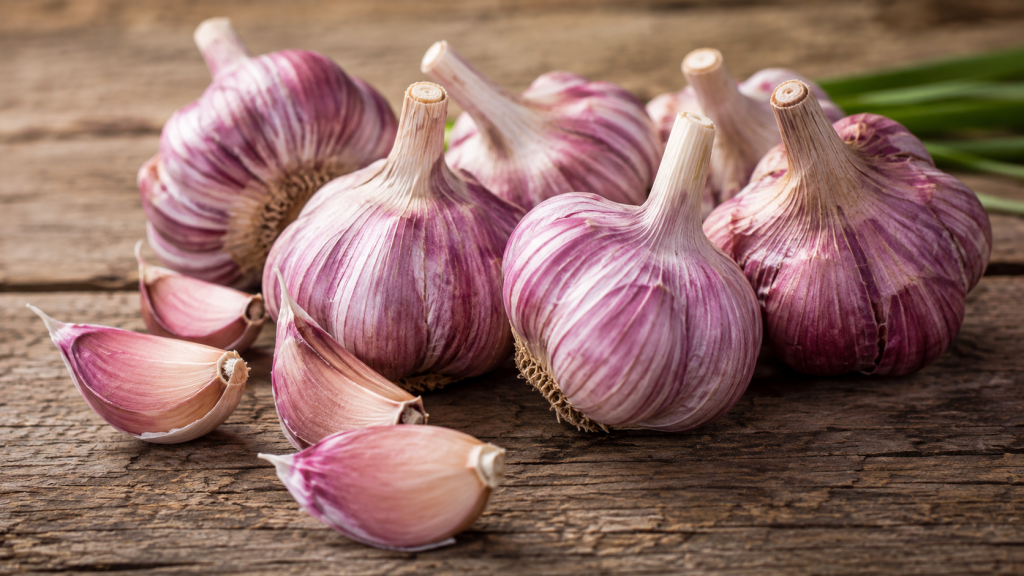
Red Garlic
Recognized by its reddish-purple outer skin and a slightly more intense aroma than white garlic.
Red garlic is gaining demand in Middle Eastern and Gulf markets, both for direct culinary use and for buyers seeking a visually distinct product for retail branding.
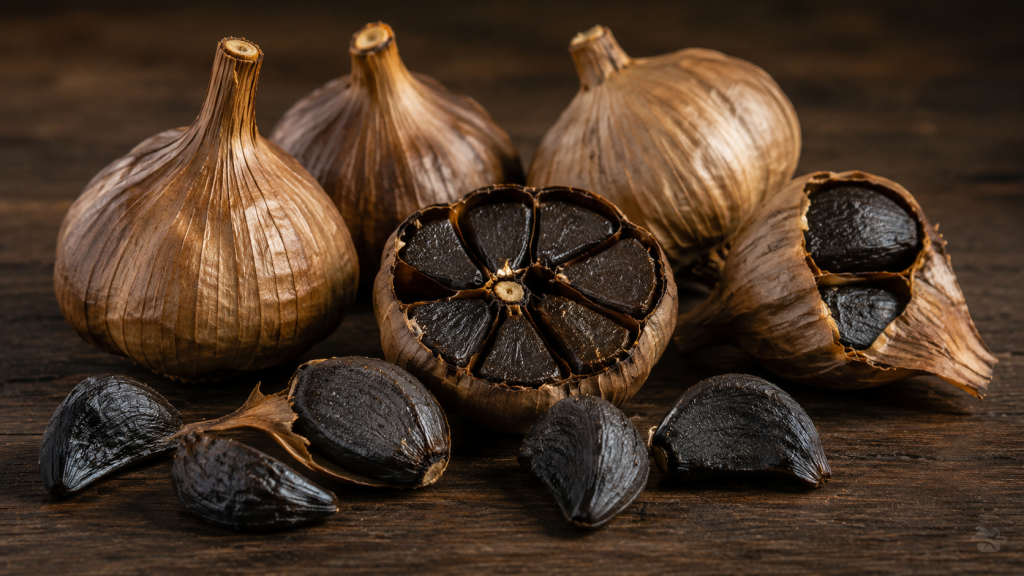
Black Garlic
Made by slow-fermenting whole bulbs under controlled heat and humidity for several weeks, black garlic develops a soft texture and a sweet, tangy, almost molasses-like flavor with significantly higher antioxidant levels than raw garlic. It serves a premium, health-focused market segment and commands a substantially higher price point than fresh garlic.
Iranian Garlic Grading & Classification
| Grade | Size (cm) | Weight (g) | Appearance |
|---|---|---|---|
| Extra | 4–5 | 50–60 | Firm, white skin |
| A | 3–4 | 40–50 | Slightly imperfect |
| B | 2–3 | 30–40 | Minor blemishes |
Iranian Garlic Price (Indicative Wholesale Ranges)
Garlic pricing shifts with harvest season, order volume, and packaging, so treat the figures below as a starting benchmark rather than a fixed quote — contact us for current pricing on your exact order.
| Product | Price Range (USD/kg, bulk export) | Notes |
|---|---|---|
| White Garlic | $1.20 – $1.80 | Standard export grade, largest volume |
| Red Garlic | $1.50 – $2.20 | Limited supply, higher demand in Gulf markets |
| Black Garlic | $12 – $25 | Fermented, premium health-market product |
Prices are estimated from current global fresh-garlic wholesale benchmarks and comparable Iranian export suppliers as of August 2026. Contact us for confirmed, order-specific pricing.
our products in Fresh Vegetable:
MOQ, Packaging & Shipping
| Category | Details |
|---|---|
| MOQ | From 1 ton, up to full container loads |
| Packaging | Mesh bags (ventilated), corrugated cartons with moisture barrier, vacuum-sealed for processed/black garlic |
| Storage | Cold-chain logistics available for long-haul shipments |
| Shipping | Sea freight (FOB/CIF) or air freight for smaller/premium orders |
| Documentation | IEC, phytosanitary certificate, certificate of origin, bill of lading, commercial invoice |
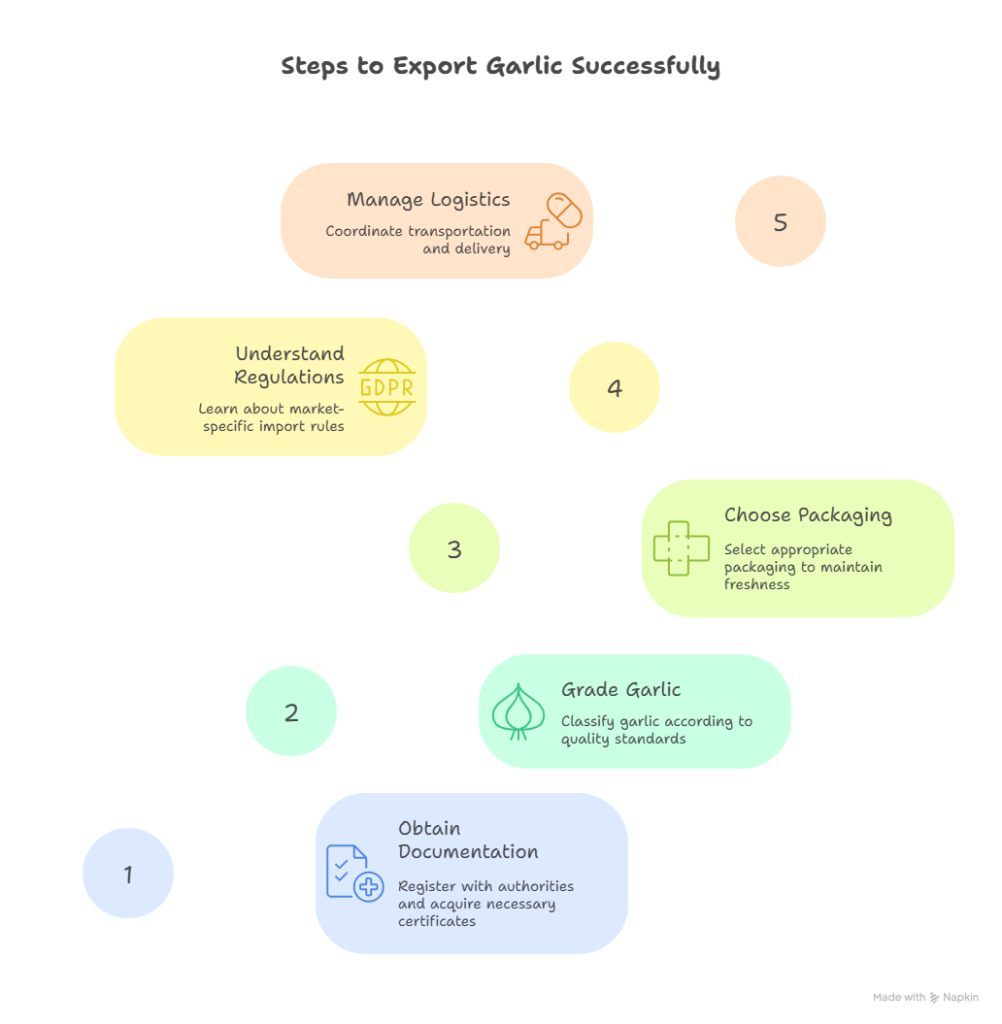
How to Import Iranian Garlic in 5 Steps
1. Confirm Trade Documentation
Every shipment requires an IEC (Import-Export Code) on the exporter side, a phytosanitary certificate confirming the garlic meets international health and safety standards, and a certificate of origin.
2. Select Grade and Classification
Garlic is classified under HS Code 070320 and sorted by size, weight, moisture level, and purity (see grading table above). Requirements vary slightly by destination country.
3. Choose Packaging Format
Mesh bags suit ventilated bulk shipping; corrugated cartons with moisture barriers protect against transit damage; vacuum-sealed packs are used for processed or black garlic.
4. Check Destination Market Rules
- European Union: strict pesticide residue limits and full traceability
- India: FSSAI certification and labeling compliance required
- Gulf countries: often prioritize organic or naturally farmed garlic
5. Arrange Logistics
Freight forwarders experienced in agricultural exports handle temperature control, cargo insurance, and port documentation to keep transit smooth and on schedule.
Health & Commercial Value of Iranian Garlic
Garlic contains allicin, a sulfur compound associated with antimicrobial and cardiovascular benefits, along with supporting immune function.
This dual value — as both a culinary staple and a functional health ingredient — drives demand across food, pharmaceutical, and supplement industries, and is a key reason black garlic in particular has grown into its own premium product category.
FAQ About Garlic Export
What is the HS Code for garlic?
Fresh garlic is classified under HS Code 070320 for international trade and customs purposes.
What documents are needed to export garlic from Iran?
An IEC (Import-Export Code), phytosanitary certificate, bill of lading, commercial invoice, and certificate of origin are typically required for each shipment.
Which countries import the most garlic?
The United States, the European Union, and countries across the Middle East and Gulf region are among the largest garlic importers, with U.S. import value alone rising from $97 million in 2010 to over $290 million by 2024.
How should garlic be packaged for export?
Fresh garlic is typically shipped in ventilated mesh bags or moisture-barrier cartons, while processed and black garlic use vacuum-sealed packaging to preserve quality during transit.
Is there demand for value-added garlic products?
Yes — black garlic and garlic powder are both growing premium categories, driven by health-focused consumers and food manufacturers seeking higher-margin, differentiated products compared to standard fresh white garlic.
What is the difference between White, Red, and Black Iranian garlic?
White garlic is the standard export variety with a sharp, classic flavor. Red garlic has a reddish-purple skin and a slightly stronger aroma, popular in Gulf markets. Black garlic is fermented over several weeks into a soft, sweet-tangy product with higher antioxidant content, sold at a significant premium over fresh garlic.

kamel –
Why is garlic such a big deal in international trade?
afruit –
hi dear Kamel Garlic is in demand everywhere—from China to Europe—because it’s a staple ingredient and has health benefits. Countries like China, India, and the UAE import tons every year, making it a lucrative market for exporters