IQF Cherry Import Guide: Bulk Sourcing & Benefits
Understanding Individually Quick Frozen Cherry Technology
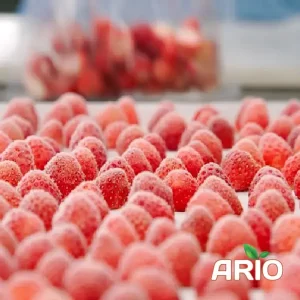
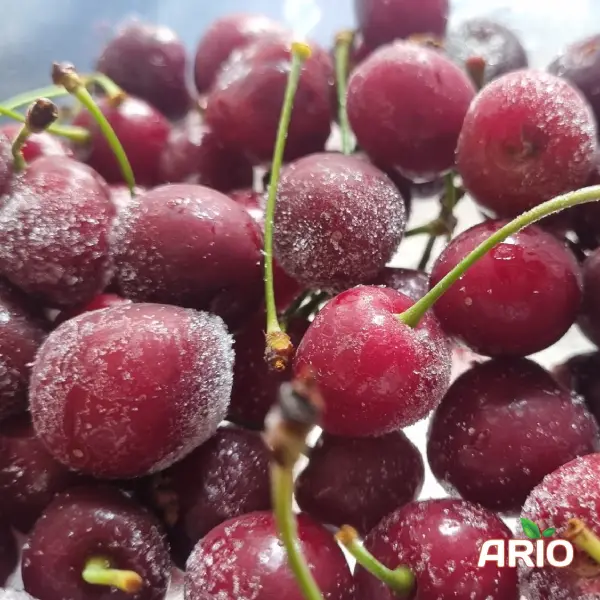
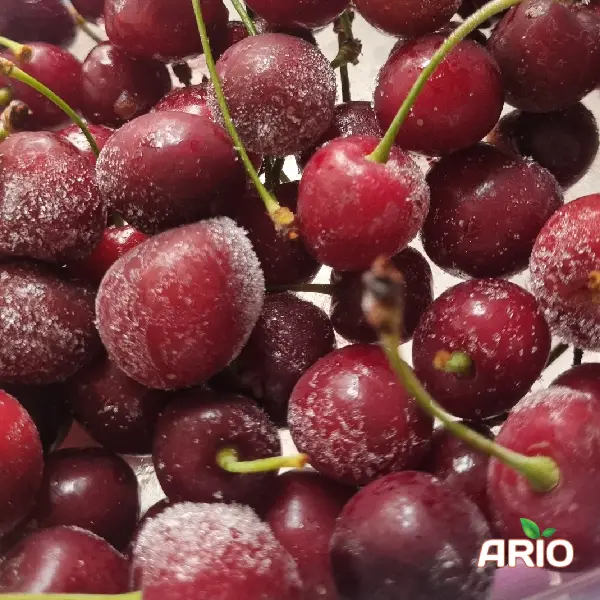
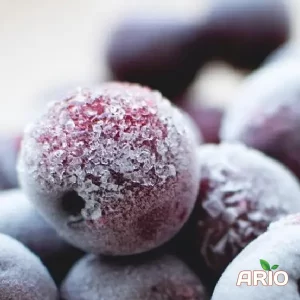
IQF cherries are frozen individually at extremely low temperatures, often between -31 and -25 degrees Fahrenheit, using cryogenic tunnels or blast freezers. This rapid process prevents large ice crystals from forming, maintaining the cherry’s structure and flavor profile. Unlike block freezing, IQF allows cherries to remain separate, making portioning and handling easier.
our product: IQF Fruits
Iran vs. Global Competitors: Price, Quality & Availability Comparison
Iran stands out in the global IQF cherry market with competitive pricing, high-color sour cherry varieties, and strong seasonal availability compared to countries like Turkey, Poland, Serbia, Chile, and the U.S. While European suppliers often offer higher uniformity and premium retail quality, Iran delivers excellent value for industrial applications due to lower production costs and rich anthocyanin levels. Its June–August harvest window and strong export capacity also make Iran a reliable supplier for bulk buyers.
Key Points
Price: Lower than EU and American suppliers
Quality: Strong in sour cherry color & flavor; high anthocyanin
Availability: Consistent supply June–August
Comparison: EU = premium retail; Iran = best value for industrial use
Logistics: Competitive freight to MENA, CIS, and Asia
Estimated IQF Cherry Prices (FOB) – Iran vs Global Market
(All prices per metric ton – FOB)
| Country / Region | IQF Sour Cherry Price (USD/MT) | IQF Sweet Cherry Price (USD/MT) | Notes |
|---|---|---|---|
| Iran | $1,050 – $1,250 | $1,300 – $1,600 | Competitive production cost, ideal for industrial use |
| Turkey | $1,400 – $1,700 | $1,800 – $2,200 | Strong EU demand, higher uniformity |
| Poland (EU) | $1,700 – $2,200 | $2,300 – $2,800 | Premium-grade IQF for retail |
| Serbia | $1,500 – $1,900 | $1,900 – $2,300 | Good balance of quality & cost |
| Chile | $2,200 – $3,000 | $3,000 – $3,800 | Counter-season, premium sweet cherries |
| USA | $2,500 – $3,200 | $3,500 – $4,200 | Highest quality + strict standards |

Table: Comparison of Freezing Methods
| Feature | IQF | Block Frozen | Canned |
|---|---|---|---|
| Texture | Intact | Compressed | Soft |
| Color retention | Excellent | Moderate | Low |
| Added sugar | No | No | Often yes |
| Best for | Industry + retail | Industrial only | Retail |
Nutritional Value and Health Benefits of IQF Sour Cherries
IQF cherries are rich in polyphenols, anthocyanins, and vitamin C. These compounds support heart health, reduce inflammation, and provide antioxidant benefits. For health-conscious consumers, they offer a clean-label, nutrient-dense alternative to sweetened or canned cherries.
Industrial and Culinary Applications of IQF Cherries
IQF cherries are widely used in bakery products, dairy, smoothies, frozen desserts, and foodservice recipes. Their consistent size and easy handling make them ideal for automated production lines and flexible recipe design.
Global Trade and Bulk Market Trends for IQF Cherry
Demand for IQF cherries has grown steadily, particularly in the US, EU, and East Asia. The US imports significant volumes from Turkey, while Iran’s role is rising due to favorable climate and competitive pricing. IQF cherry HS code is 0811. Iran’s local processing infrastructure supports large-volume exports.
Logistics and Regulatory Requirements for IQF Cherry Imports
To import IQF cherries, traders must comply with FDA, USDA, and CBP standards. Key documentation includes the commercial invoice, packing list, phytosanitary certificate, and certificate of origin. Maintaining a cold chain at -18°C or lower is vital. Packaging formats range from 10 kg cartons to 1-ton pallets with polyethylene liners.
Certifications and Quality Control in IQF Cherry Supply
Buyers should verify HACCP, Kosher, Organic, and SQF certifications. Reliable suppliers offer lab test results for microbial safety and nutritional content. Product traceability and lot-level testing add an extra layer of assurance.
Pricing Drivers and Profit Margins in IQF Cherry Trade
Prices vary based on cherry variety, Brix level, grade, seasonality, and origin. Cost-efficiency improves when sourcing directly from growers or aggregators in producing countries. Profit margins are influenced by transport costs, tariffs, and value-added certifications.
Iran’s Competitive Edge in IQF Cherry Production
Iran grows cherry varieties such as Bing and Montmorency, with harvest seasons starting in late spring. Modern facilities in the country offer integrated washing, pitting, and freezing lines. Iran’s proximity to major markets and favorable trade agreements provide a logistical advantage.
How to Vet and Select a Reliable IQF Cherry Supplier
1. Request certificates and test reports
2. Ask for samples from different batches
3. Conduct third-party inspections if possible
4. Assess responsiveness and communication
5. Compare prices against quality benchmarks
Step-by-Step Checklist for Importing IQF Cherries
1. Identify certified suppliers and request product specs
2. Confirm documentation and quality certificates
3. Finalize packaging, delivery terms, and payment method
4. Arrange cold-chain transportation and insurance
5. Monitor shipment and clear customs with prepared docs
FAQ: Common Questions About IQF Cherries
1. What does IQF cherry mean?
IQF stands for Individually Quick Frozen, a method that freezes cherries one by one to preserve their natural shape, texture, and nutrition.
2. Is IQF cherry healthier than canned cherry?
Yes. IQF cherries retain more nutrients and contain no added sugars or preservatives, making them a healthier option.
3. How long do IQF cherries last in storage?
When stored at -18°C or lower, they can last up to 24 months without significant quality loss.
4. Can I import IQF cherries for resale in the US?
Yes. You must comply with FDA, USDA, and customs documentation requirements. It’s advisable to work with customs brokers.