
IQF Raspberry: A Smart Choice for Global Buyers
What Are IQF Raspberries and How Are They Produced
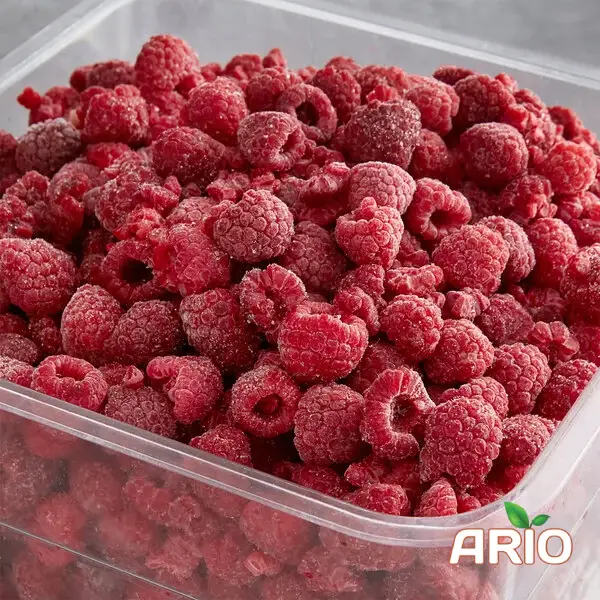
IQF raspberries are frozen rapidly at extremely low temperatures, typically using nitrogen or cold air tunnels. This technique freezes each berry separately, avoiding clumping and preserving the natural shape and taste. The process minimizes cellular damage, which is common in traditional freezing methods. As a result, IQF raspberries retain their firmness, color, and nutritional profile much better than block-frozen alternatives.
Benefits of Choosing IQF Raspberries for Bulk Import
IQF raspberries offer several advantages for industrial and retail applications:
- Consistency in size and appearance
- Long shelf life, typically up to 24 months when stored at −18°C
- Retention of natural color, flavor, and nutrients
- Minimal waste during processing or repackaging
These features make IQF raspberries ideal for use in jams, purees, smoothies, pastries, yogurt mixes, and food service recipes.
our product: IQF Fruits
Evaluating Quality and Certification Standards
When sourcing IQF raspberries, quality assessment is essential. Specifications usually include:
- Whole vs. broken berry ratio
- Caliber (berry diameter)
- Brix level (sugar content)
- Foreign matter and mold levels
- Packaging format (poly bags, cartons, pallets)
Look for third-party certifications such as HACCP, ISO, USDA Organic, Non-GMO, or Kosher, depending on your target market and buyer requirements. Suppliers may also provide microbiological analysis and traceability reports.
Top Origins and Exporting Countries
The most prominent exporters of IQF raspberries include Serbia, Chile, Poland, the United States, and Iran. Iran, in particular, offers a competitive edge with its natural growing conditions, favorable climate, and experienced producers such as Iran-Fruit, who ensure traceable, high-grade fruit with customized logistics solutions for international buyers.
Import Considerations and Trade Regulations
If you are importing IQF raspberries, familiarize yourself with:
- Harmonized System (HS) code: 0811.20 for frozen raspberries
- Labeling requirements in destination markets
- Sanitary and phytosanitary regulations
- Cold chain compliance during shipping
- Seasonal pricing and availability
Buying directly from producers reduces costs and increases control over quality and supply chain efficiency.

Practical Applications Across Food Industries
IQF raspberries are highly versatile. They can be used:
- In food processing (e.g., sauces, jams, purees)
- In ready-made meals and desserts
- In beverages and smoothies
- As toppings in breakfast cereals and baked goods
Their consistent quality and ease of use make them a preferred option for food brands and processors worldwide.

Frequently Asked Questions (FAQ)
1. What does IQF raspberry mean?
IQF stands for Individually Quick Frozen. Each raspberry is frozen separately, maintaining its shape, flavor, and texture.
2. Are IQF raspberries better than regular frozen raspberries?
Yes. Unlike block-frozen berries, IQF raspberries don’t clump together, making them easier to portion and use without thawing the entire batch.
3. How long can IQF raspberries be stored?
If properly stored at −18°C, they can last up to 24 months while preserving most of their original qualities.
4. What are the top uses of IQF raspberries in industry?
They’re widely used in bakery fillings, yogurt blends, jams, sauces, and smoothies due to their clean processing and high consistency.
5. What should I look for when sourcing IQF raspberries in bulk?
Focus on quality indicators like berry integrity, certification, packaging formats, and country of origin. Check for broken berry percentage, size uniformity, and hygiene standards.