
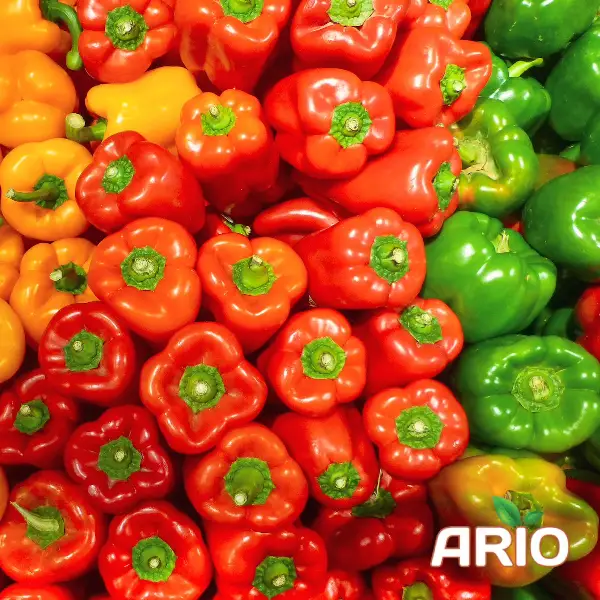
Understanding Capsicum and Its Botanical Varieties
Capsicum refers to a genus of flowering plants in the nightshade family, Solanaceae. Known commonly as peppers, capsicum varieties include sweet and hot types, with significant differences in shape, color, and pungency. The five domesticated species—Capsicum annuum, Capsicum frutescens, Capsicum chinense, Capsicum baccatum, and Capsicum pubescens—offer a wide spectrum of options. Many of these varieties are commonly grown alongside other fresh vegetables like tomato, garlic, and onion in crop rotations to optimize yield and soil health.
Iranian Colored Capsicum
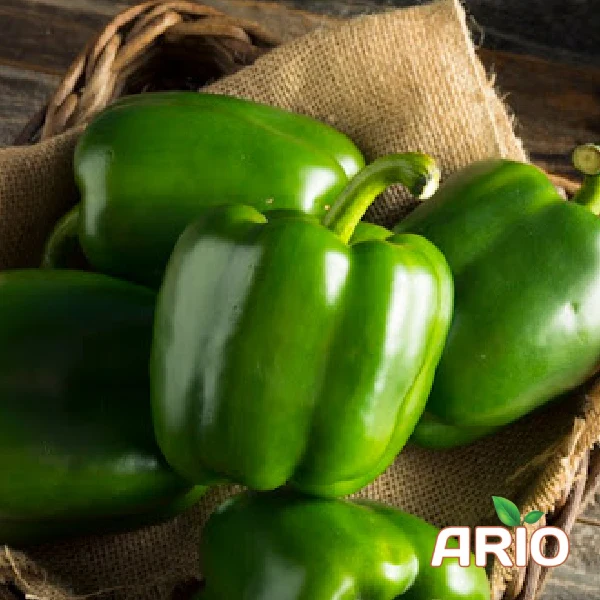
Bell peppers, a cultivar of Capsicum annuum, are notable for their mild flavor and bright colors—green, red, yellow, and orange. Chili peppers, on the other hand, carry various heat levels measured in Scoville Heat Units (SHU), ranging from the mild poblano to the fiery habanero. This diversity gives capsicum its broad culinary and industrial utility.
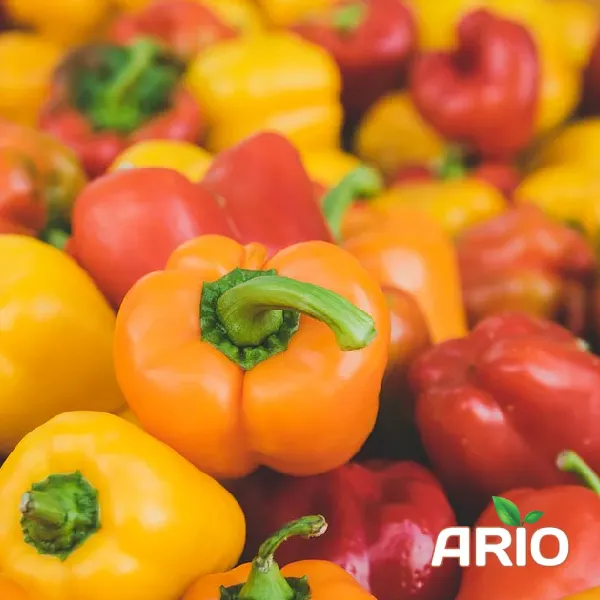
Table: Capsicum Varieties and Characteristics
| Variety | Color | Taste | Common Use |
|---|---|---|---|
| Bell Pepper | Red, Green, Yellow | Sweet | Salads, Cooking |
| Chili Pepper | Red, Green, Orange | Spicy | Sauces, Seasonings |
| Paprika | Red | Mild | Powder, Culinary flavor |
Global Market Trends and Growth Opportunities
The capsicum market is expanding steadily. Recent reports estimate the global market size surpassed $52 billion in 2022, with expectations of continued growth driven by urbanization, demand for nutritious food, and expanding applications across sectors. Many consumers prefer fresh vegetables like garlic , Tomato and onion along with capsicum for home cooking, which is boosting demand worldwide.
Major producing countries include China, India, and Mexico, while regions such as the Middle East and Southeast Asia are emerging as lucrative importers due to increasing consumer demand and changing dietary preferences. Market forecasts show a compound annual growth rate (CAGR) of over 7% through 2030, making capsicum cultivation and trade a valuable investment opportunity.
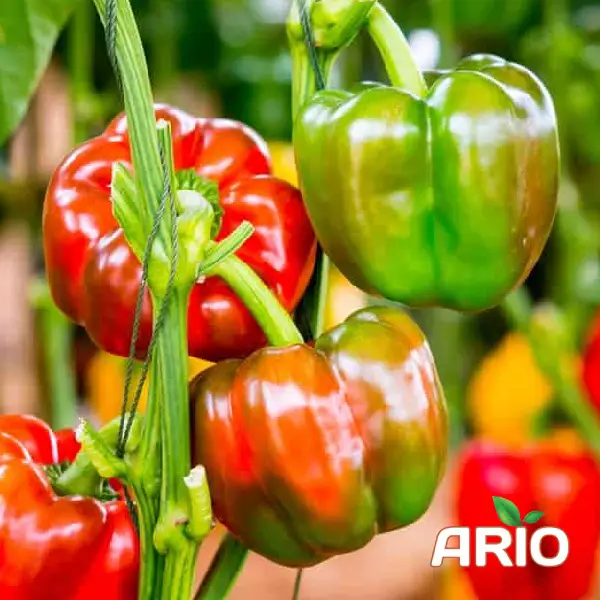
Characteristics and Uses of Colored and Green Capsicum
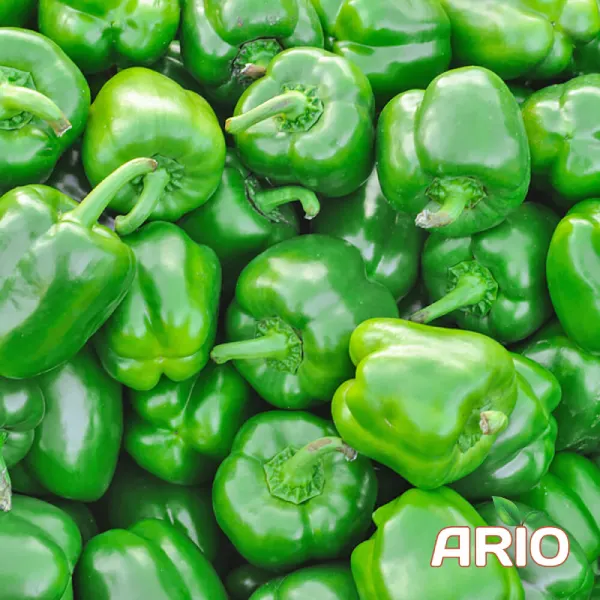
Colored capsicum, such as red and yellow varieties, develop their sweetness and high nutrient concentration as they ripen. Green capsicum, typically harvested earlier, has a slightly bitter taste and firmer texture. Each color variant offers distinct benefits in cooking and nutrition.
Capsicum is used widely in salads, stir-fries, sauces, and spice mixes. Its culinary applications range from sweet bell pepper fillings to fiery chili condiments. In industrial food production, powdered and paste forms are key ingredients in processed items and ready-to-eat meals.

Nutritional Profile and Health Benefits
Capsicum is low in calories but rich in vitamins A, C, and B6. It contains high levels of antioxidants, including beta-carotene and flavonoids, which support immune health and reduce oxidative stress. Capsaicin, the bioactive compound in hot peppers, has demonstrated potential in pain management, weight control, and cardiovascular health in clinical studies.
Regular consumption of capsicum has been linked to lower risks of chronic diseases, thanks to its anti-inflammatory and metabolic benefits. Its versatility also makes it easy to incorporate into a balanced diet.
Quality Standards and Best Sourcing Practices
For commercial buyers and importers, sourcing high-quality capsicum depends on several factors: variety, color uniformity, skin texture, and size. Certifications like Global GAP, HACCP, and ISO are crucial indicators of safety and quality compliance.
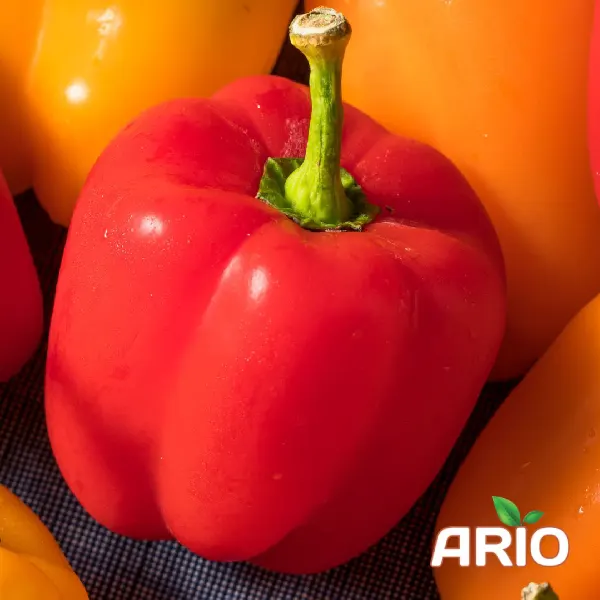
Storage and transport also affect product integrity. Capsicum should be stored at 7–10°C to preserve freshness and avoid chilling injuries. For exporters, consistency in handling and packaging standards ensures competitiveness in international markets.
Import and Export Considerations for Traders
Trade in capsicum involves compliance with multiple regulations, including HS codes, phytosanitary requirements, and customs documentation. Countries like Iran, India, and Vietnam offer attractive opportunities for bulk buyers due to their robust agricultural infrastructure and favorable trade agreements.
Logistics planning—cold-chain management, shipping timelines, and tariff classifications—can significantly impact profitability. Understanding regional market dynamics and import restrictions is essential for successful cross-border transactions.
Capsicum Storage and Shelf Life
To keep capsicum fresh for longer:
Refrigerate whole bell peppers at 7–10°C; they last 1–2 weeks.
Avoid washing before storage to prevent moisture damage.
Store cut peppers in airtight containers in the fridge; consume within 2–3 days.
Freezing is possible: chop and freeze in sealed bags; shelf life extends to 6–8 months.
Check for spoilage: soft spots, wrinkles, or mold indicate the pepper is no longer fresh.
Addressing Agricultural Challenges and Exploring Innovations
Capsicum cultivation faces challenges such as pest infestations, climate variability, and post-harvest losses. Innovations like drip irrigation, greenhouse farming, and integrated pest management are helping farmers boost yield and sustainability.
Breeding programs focused on disease resistance and yield improvement continue to advance. Emerging markets offer room for technological integration and collaborative ventures, driving efficiency from field to global supply chain.

Reviews
There are no reviews yet.