Garlic Powder: A Comprehensive Guide for Bulk Buyers
Global Market Price Trends for Garlic Powder (2025 Update)
In 2025, the global price of garlic powder continues to fluctuate due to changing energy costs, freight rates, and crop yields across major producing regions. The average bulk export price currently ranges between USD 1,800 and USD 3,200 per ton, depending on grade, packaging, and origin. Premium, freeze-dried powders or organically certified lots typically reach the upper end of this range.
Key exporters such as Iran, China, and India collectively account for more than 70 percent of global trade volume. China remains the largest supplier to the EU and Southeast Asia, while Iranian garlic powder is increasingly valued for its stronger flavor and higher sulfur content—attributes that appeal to both food manufacturers and spice blenders.
Several major factors influence pricing trends this year:
Agricultural yield variation – Unfavorable weather in northern China and India reduced harvest volumes, tightening supply.
Energy and transportation costs – Rising global freight rates have added up to 10 percent to export prices.
Exchange rate volatility – USD fluctuations affect CIF quotations and long-term supply contracts.
Quality differentiation – Low-moisture, high-allicin powders command premium rates in pharmaceutical and nutraceutical sectors.
Market analysts expect steady growth of around 5 percent CAGR through 2030, driven by strong demand for shelf-stable seasoning ingredients in both industrial and retail markets. Bulk buyers can secure cost advantages by negotiating long-term agreements during harvest months (May – August), when fresh-garlic availability lowers processing costs.
| Type / Grade | Origin | Typical Price (USD / Ton) | Primary Buyers |
|---|---|---|---|
| Standard Dehydrated Garlic Powder | China | 1,800 – 2,200 | Food processors, spice companies |
| High-Sulfur Garlic Powder | Iran | 2,200 – 2,800 | Sauces, seasoning exporters |
| Organic Certified Garlic Powder | India | 2,800 – 3,200 | Health food brands, nutraceutical firms |
| Freeze-Dried Garlic Powder | USA / EU | 3,000 – 3,500 | Premium food manufacturers |
Understanding Garlic Powder and Its Different Types
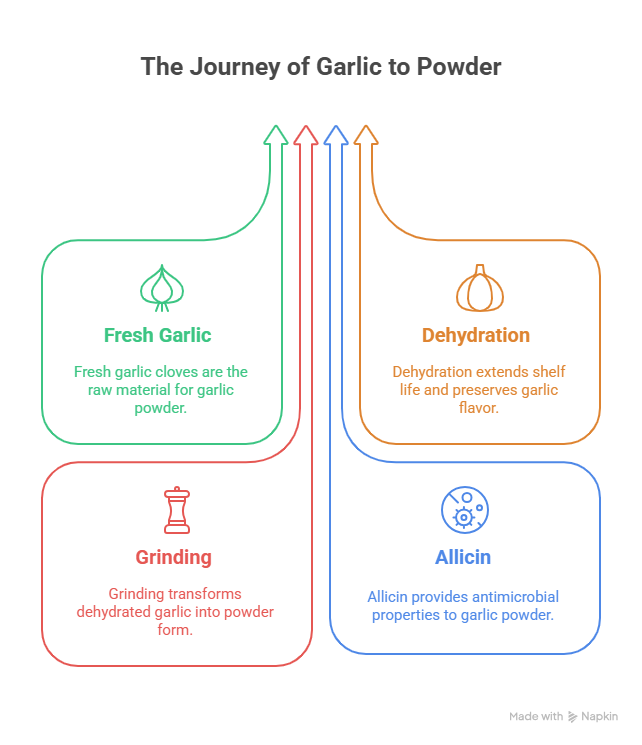
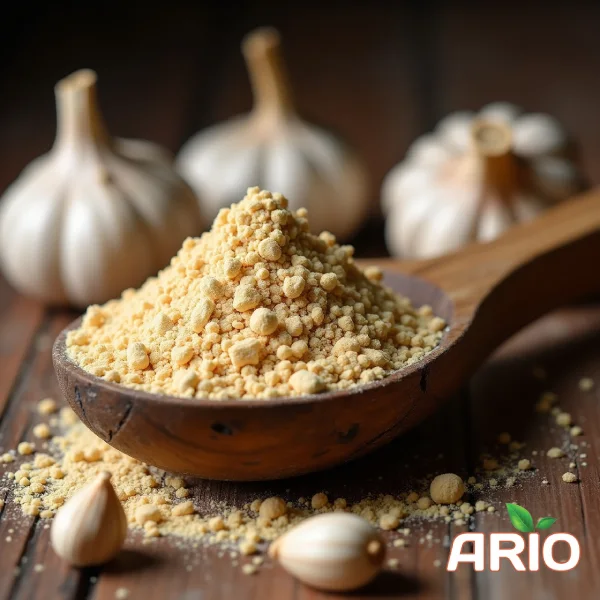
garlic powder is produced by dehydrating fresh garlic cloves and grinding them into a fine or coarse powder. The dehydration process significantly extends garlic’s shelf life while preserving its intense flavor and potent bioactive compounds such as allicin, known for its antimicrobial properties.
Three main types of garlic powder exist based on dehydration method. Air-dried garlic powder retains a stronger flavor and coarser texture, similar to the processes used in dried onion and dried paprika. Freeze-dried garlic powder preserves the most nutrients and delicate flavor profiles, while spray-dried garlic powder offers uniform granularity and cost-efficiency for industrial use.
three main types of garlic powder based on the dehydration method:
- Air-dried garlic powder retains a stronger flavor and coarser texture.
- Freeze-dried garlic powder preserves the most nutrients and delicate flavor profiles.
- Spray-dried garlic powder offers uniform granularity and cost-efficiency for industrial uses.
Each type is suited for different applications, making it essential to match product selection with end-use requirements.
Table: Comparison of Garlic Powder Types
| Type | Drying Method | Flavor Intensity | Nutrient Retention | Common Use | Avg. Cost (USD/kg) |
|---|---|---|---|---|---|
| Air-Dried | Hot-air dehydration | Strong | Moderate | Spice blends, soups | 2.0–2.8 |
| Freeze-Dried | Vacuum freeze | Mild | High | Nutraceuticals, sauces | 3.5–4.2 |
| Spray-Dried | Atomized drying | Medium | Moderate | Industrial seasoning | 1.8–2.2 |
Benefits and Applications Across Industries
Garlic powder offers significant advantages, particularly in large-scale operations. It eliminates the need for peeling, chopping, and preserving fresh garlic, saving labor and storage costs. Key applications include the food processing sector, where ingredients such as tomato powder and onion powder are also widely used.
- Food processing industries incorporating it in seasonings, sauces, and spice blends.
- Pharmaceutical and nutraceutical sectors leveraging garlic’s antioxidant and antimicrobial properties.
- Agricultural and animal feed industries using garlic powder as a natural supplement.
A 2021 report by Grand View Research projected the global garlic market to grow at a compound annual growth rate (CAGR) of 5.1 percent through 2028, driven largely by processed forms like powders.
The Step-by-Step Process of Producing Garlic Powder
Producing high-quality garlic powder involves several meticulous steps, much like those used for dried vegetables:
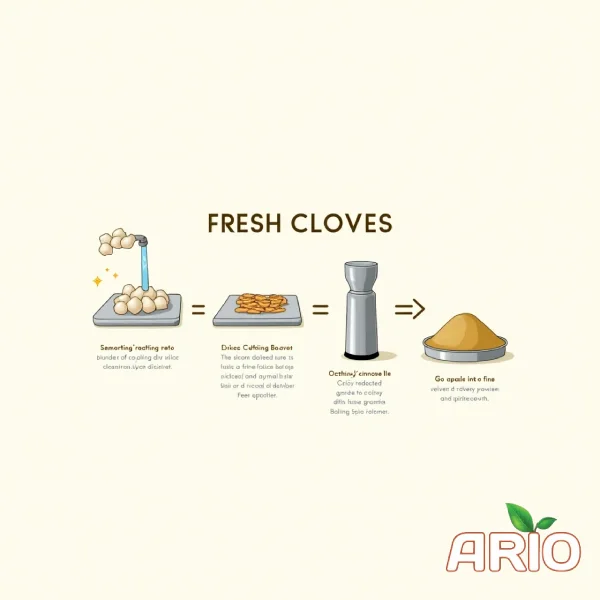
1. Selection of Premium Garlic Bulbs
Fresh, disease-free bulbs with high allicin content are selected.
2. Cleaning and Peeling
Bulbs are washed to remove soil residues and peeled mechanically or manually.
3. Slicing and Dehydration
Garlic cloves are sliced uniformly to ensure even drying. Dehydration occurs at controlled low temperatures to maintain flavor and nutrient integrity.
4. Grinding and Sieving
Dried slices are ground into powder and sieved to achieve the desired particle size.
5. Packaging and Quality Control
Powder is packed in moisture-proof, food-grade containers and tested for microbial safety and sulfur content.
Identifying High-Quality Garlic Powder
Discerning buyers should evaluate several factors to ensure product quality:
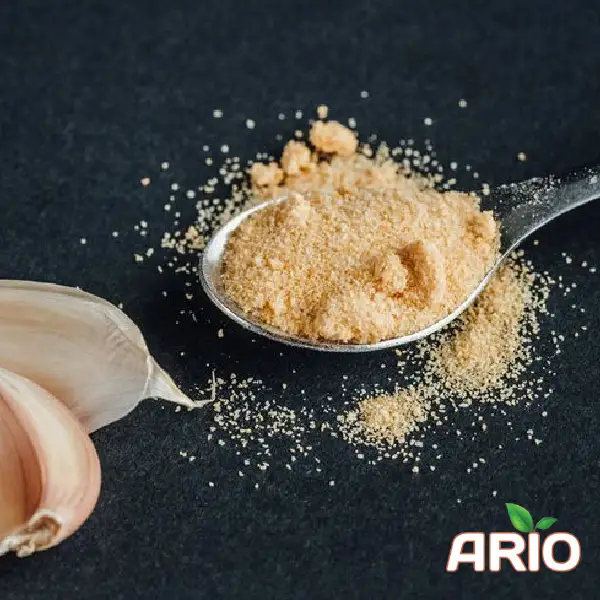
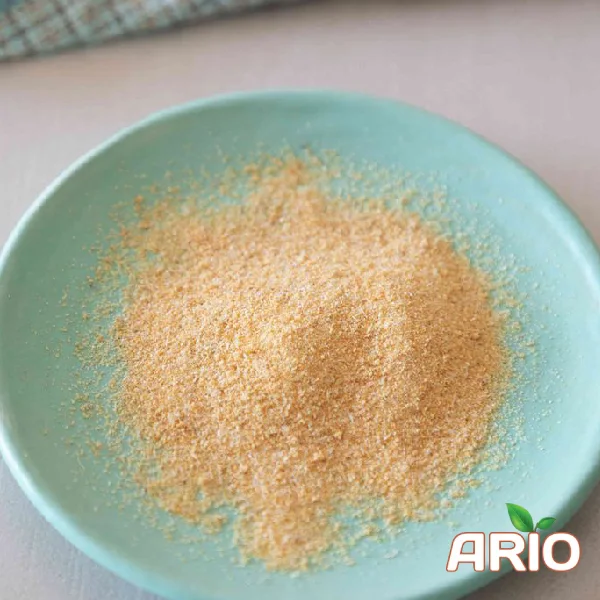
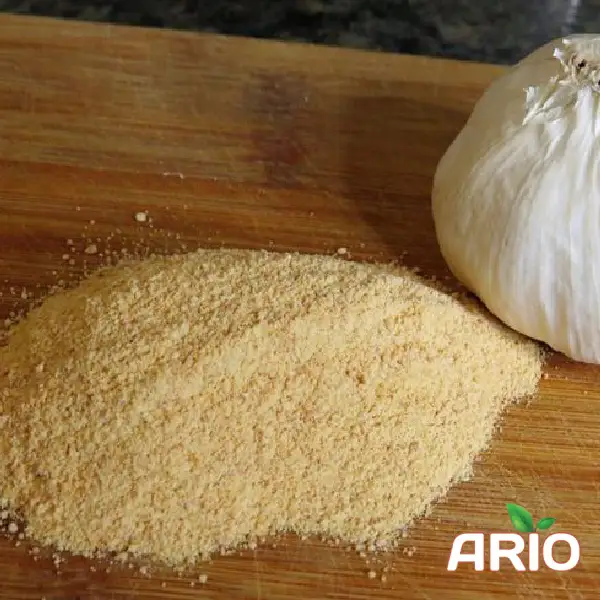
- Color should be ivory to pale yellow, without browning.
- Aroma must be strong and characteristic, without mustiness.
- Moisture content should ideally be below 6 percent to ensure longevity.
- Certifications such as ISO, HACCP, or organic labels add credibility.
Random sample testing and supplier audits are recommended to verify these parameters before finalizing bulk purchases.
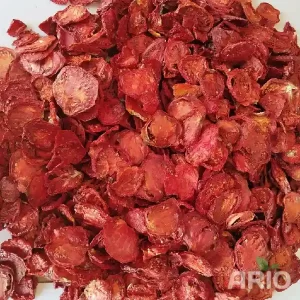
Similar principles apply to selecting products like dried tomato, where certification (ISO, HACCP, organic) validates authenticity and quality. Random sampling and supplier audits further guarantee consistency.
Strategic Tips for Bulk Sourcing and Importing Garlic Powder
When purchasing garlic powder at scale, several key considerations can affect product quality and profitability:
- Choose suppliers offering full traceability and third-party lab reports.
- Negotiate minimum order quantities (MOQs) based on your storage and logistics capabilities.
- Ensure compliance with destination country regulations regarding pesticide residues, heavy metals, and microbial load.
- Prioritize suppliers with experience in international shipping and customs documentation.
Building relationships with established exporters, such as those specializing in Iranian garlic products, can provide consistent quality and pricing advantages.
Why Iran is a Prominent Source for Garlic Powder
Iran is among the world’s top producers of premium garlic, with favorable climates in regions such as Hamedan and Fars. The country’s drying technologies and quality standards make it a trusted supplier for buyers seeking competitively priced, high-purity garlic powder. Iranian garlic powder is particularly valued for its rich flavor, large granule sizes, and high sulfur content, which enhances its potency and shelf life.
Best Practices for Storage and Transportation
To preserve product integrity during transit and storage:
- Use airtight, food-safe containers resistant to moisture and UV rays.
- Store in cool, dry facilities with controlled humidity.
- Maintain inventory turnover to prevent prolonged storage beyond recommended shelf life, typically 12 to 24 months.
Following these protocols helps protect the flavor, color, and microbial safety of the product.
Frequently Asked Questions About Dried Garlic Powder
1. How long can garlic powder last?
Properly stored, it can last up to two years without significant loss of flavor.
2. How can I verify the quality of bulk garlic powder?
Look for third-party lab reports confirming purity, moisture content, and absence of contaminants.
3. What certifications should I look for when buying garlic powder?
ISO, HACCP, and organic certifications ensure compliance with safety and quality standards.
4. Is there a difference between spray-dried and freeze-dried garlic powder?
Yes, freeze-dried powder retains more nutrients, while spray-dried powder is often more affordable.
5. What is the best way to store garlic powder?
Keep it in a cool, dry place in airtight containers away from direct sunlight.
6. Why choose Iranian garlic powder?
Iranian garlic offers superior flavor, high sulfur content, and competitive pricing for bulk buyers.