This guide walks you through everything from varieties and nutritional value to international sourcing strategies.
Whether you’re an importer, health food manufacturer, or procurement professional, the knowledge here provides a critical edge in a competitive market. If you’re also interested in exploring other Iran dried fruits, we have detailed guides on Dried Apricot, Dried Apple, Dried Orange, Dried Cherry, Dried Plum, and Aloo Bukhara that complement the insights on Iran Dried Fig.
Understanding Iranian Dried Fig: Definition and Cultural Significance
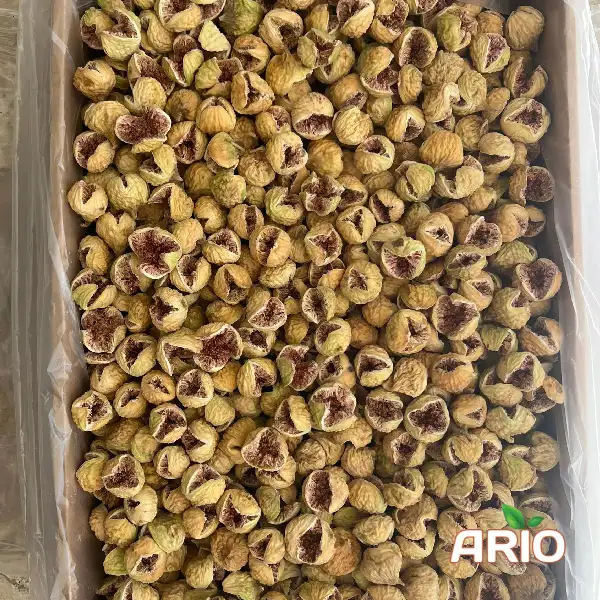
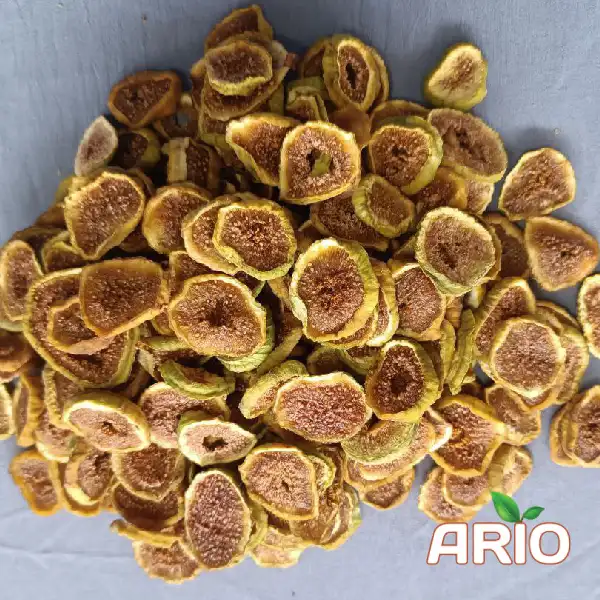
Dried Fig slices
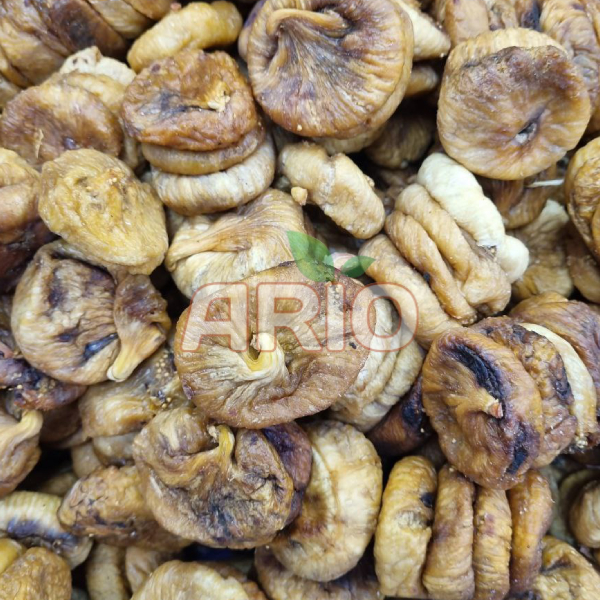
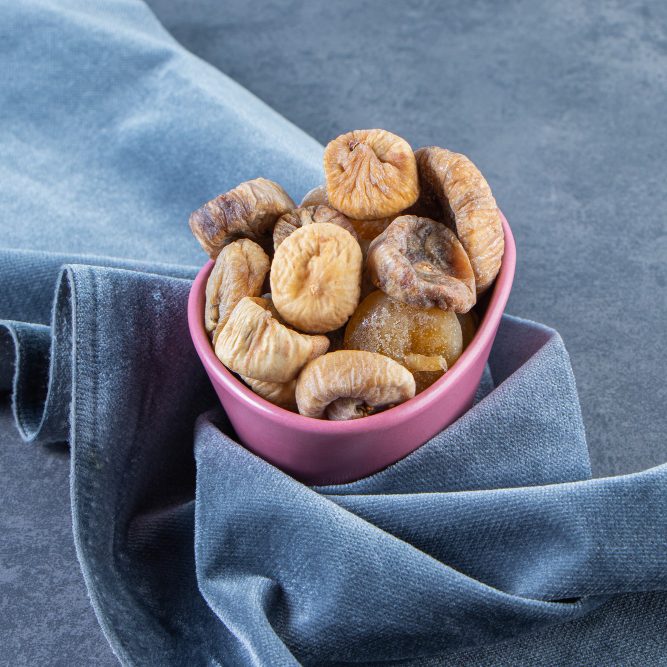
Iran Dried Fig are the dehydrated form of the fig fruit (Ficus carica), known for their chewy texture, natural sweetness, and dense nutritional profile. Cultivated for millennia, figs hold cultural and economic importance across the Middle East, Mediterranean, and Central Asia.
Iran, Turkey, and Afghanistan are among the leading producers. These countries not only supply global markets but also maintain traditional farming practices that ensure unique taste profiles and diverse varieties.
Table: Iran Dried Fig vs Other Dried Fig Producers
| Country | Strength | Weakness |
|---|---|---|
| Iran | Competitive pricing, variety | Limited branding |
| Turkey | EU access, scale | Higher prices |
| Afghanistan | Organic appeal | Supply inconsistency |
| Egypt | Niche varieties | Lower volume |
Looking for more dried fruit options? Click here to explore.
Table: Common Iran Dried Fig Varieties and Features
| Variety | Origin | Flavor Profile | Common Uses | Shelf Life |
|---|---|---|---|---|
| Smyrna (Calimyrna) | Turkey / Iran | Sweet, nutty | Snacking, desserts | 12 months |
| Black Mission | USA / Spain | Rich, earthy | Baking, jams | 10 months |
| Kadota | Italy / USA | Mild, honey-like | Confectionery, sauces | 9 months |
| Adriatic | Mediterranean | Sweet, light | Energy bars, salads | 12 months |
Varieties and Grading Standards of Iranian Dried Fig
The global market recognizes several types of Iran Dried Figs, each suited for different uses and buyer preferences.
1. Recognized Iran Dried Fig Varieties
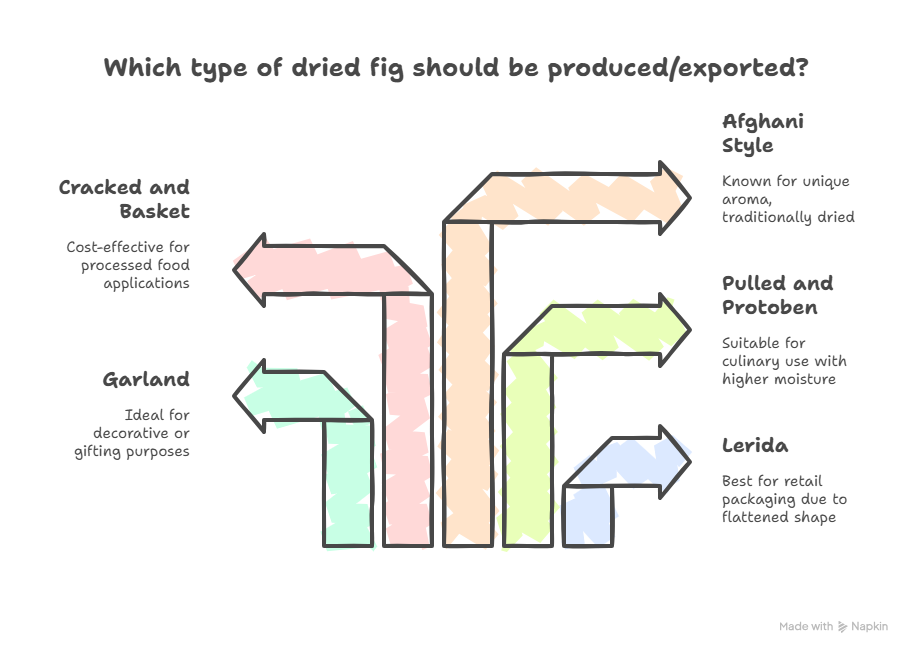
- Lerida – Flattened, sun-dried figs often used in retail packaging
- Garland – Carefully strung for decorative or gifting purposes
- Pulled and Protoben – Typically higher moisture content for culinary use
- Cracked and Basket – Used in lower-cost or processed food applications
- Afghani Style – Naturally dried in traditional setups, known for unique aroma
2. Size and Quality Grading
Grading follows standardized criteria, especially for export. Sizes are often classified by the number of fruits per kilogram (e.g., 41/50, 51/60). Appearance, moisture content, and absence of infestation are primary quality indicators, monitored through certifications like ISO, HACCP, and phytosanitary reports.
Global Producers and Export Trends of Iranian Dried Figs
Turkey remains the dominant exporter in the global dried fig market, accounting for nearly 60% of total exports according to Mordor Intelligence. Its large-scale production and long-established access to EU markets give Turkish dried figs a strong competitive position.
Iranian dried fig exports follow closely, supported by growing international demand for Iran dried fig products due to their traditional sun-drying methods, diverse commercial varieties, and competitive pricing. Afghanistan also holds a notable position, particularly in niche segments focused on organic and traditionally processed dried figs.
Country-wise Dried Fig Export Profiles
- Turkey – Known for large-scale commercial operations and established EU markets
- Iran – Offers diverse varieties and competitive pricing
- Afghanistan – Specializes in organic and traditionally dried products
- Morocco and Egypt – Serve niche markets with regionally unique cultivars
Price Trends and Forecasts for Iranian Dried Fig (2025 and Beyond)
- Strong demand in Europe and North America continues to support higher price levels for Iranian dried fig, particularly in premium and export-grade segments.
- Seasonal climate variations and harvest fluctuations in Iran directly affect Iran dried fig supply volumes, influencing year-to-year price stability and contract planning.
- Export-related costs—such as packaging standards, quality testing, and international logistics—remain key factors contributing to Iranian dried fig pricing variability in global markets.
- Organic-certified and premium-grade Iran dried fig products consistently command higher prices compared to bulk or lower-grade alternatives due to stricter quality and compliance requirements.
- Looking ahead to 2025 and beyond, prices for Iranian dried fig are expected to remain stable or show moderate growth, supported by increasing global demand for natural, functional, and clean-label food products.
- Continued investment in advanced drying, storage, and moisture-control technologies is helping Iran dried fig exporters maintain consistent quality and reduce price volatility over time.
Nutritional Profile and Scientific Health Benefits of Iranian Dried Fig
Iranian dried fig is widely recognized for its dense nutritional profile, making it a valuable ingredient for health-focused consumers and food manufacturers. Iran dried fig contains high levels of dietary fiber, potassium, iron, magnesium, and essential vitamins such as A, B1, B2, and K.
According to USDA nutritional data, a 100g serving of dried figs provides approximately 249 calories, 9.8g of dietary fiber, and around 15% of the recommended daily calcium intake—positioning Iranian dried fig as both an energy-dense and functional food ingredient.
Evidence-Based Health Benefits
Digestive Health – The high fiber content of Iran dried fig supports bowel regularity and gut health.
Bone Strength – Naturally occurring calcium and magnesium contribute to bone density and skeletal support.
Blood Pressure Support – Potassium in Iranian dried fig helps regulate sodium balance and cardiovascular function.
Antioxidant Activity – Polyphenols present in dried figs assist in reducing oxidative stress.
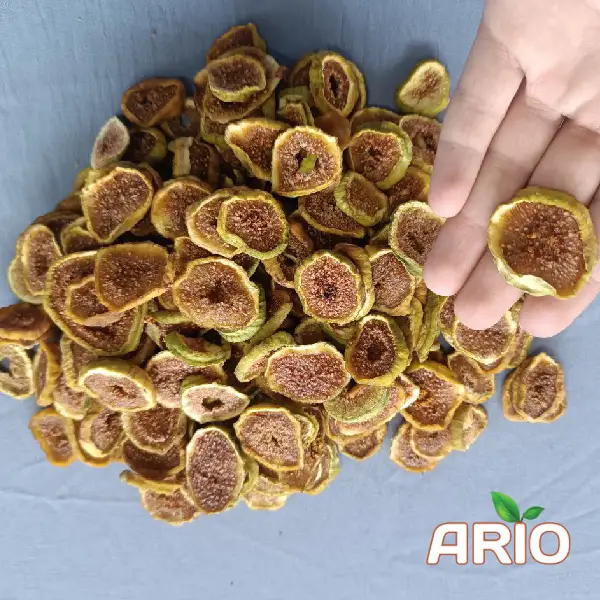
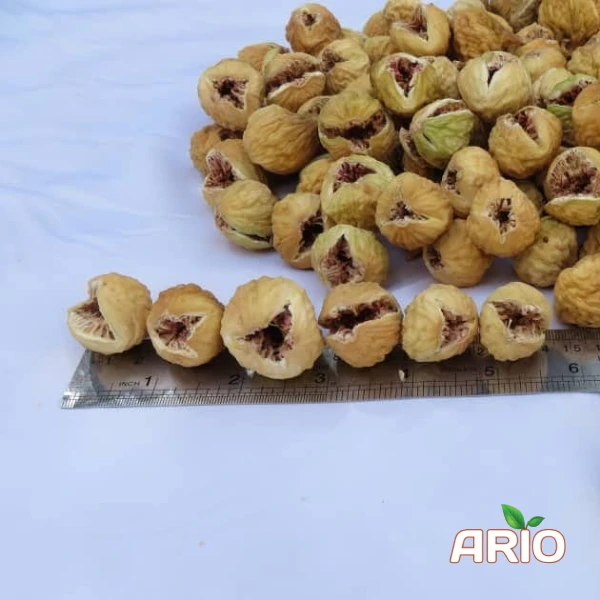
Dried Fig slices
Importing Iranian Dried Fig: Key Procurement Considerations
When sourcing Iranian dried fig, importers must evaluate more than pricing alone. Product consistency, traceability, and regulatory compliance are essential for successful long-term procurement.
Procurement Checklist for Iran Dried Fig
Verify certifications (ISO, Organic, HACCP where applicable)
Assess shelf life, moisture levels, and storage requirements
Ensure phytosanitary certification and customs documentation
Review supplier reliability through samples, audits, or trade references
Careful supplier evaluation reduces risk and ensures consistent quality in Iran dried fig imports.
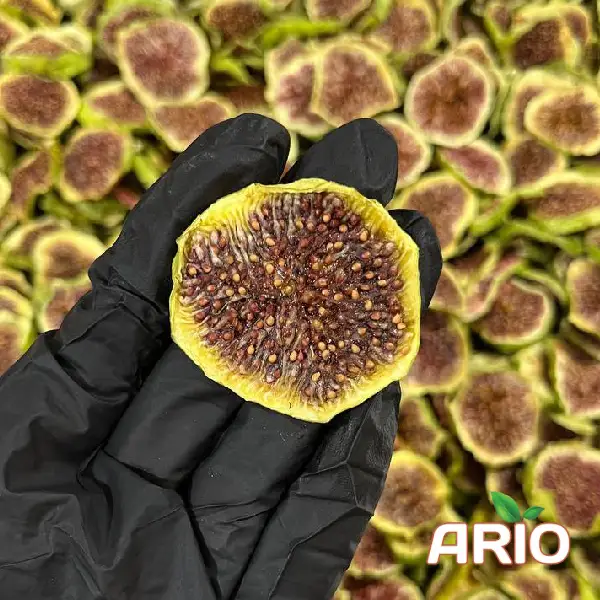
Iranian Dried Fig Slices
Choosing the Right Supplier for Iranian Dried Fig: Strategic Factors to Evaluate
Selecting a reliable supplier is a critical step when sourcing Iranian dried fig, as product quality, consistency, and operational responsiveness are just as important as pricing.
For buyers and importers of Iran dried fig, evaluating suppliers based on long-term performance helps reduce supply chain risks and ensures stable product availability.
Supplier Evaluation Criteria for Iran Dried Fig
Proven track record in international trade, particularly with European and Asian markets
Consistency in grading and moisture control across multiple shipments
Transparent communication regarding specifications, documentation, and lead times
Logistics coordination and export support, including packaging and customs readiness
Capacity to fulfill bulk orders year-round without quality fluctuation
Establishing long-term partnerships with vetted Iranian dried fig suppliers improves sourcing efficiency, minimizes compliance risks, and supports sustainable procurement strategies in global markets.
Global Market Trends and Pricing Overview for Iranian Dried Fig
Global pricing for dried figs is influenced by harvest conditions, climate variability, and demand from major importing regions such as Europe, India, and North America.
In 2025, average export prices for Turkish dried figs ranged between $3.10–$4.20/kg (FOB).
In comparison, Iranian dried fig offered competitive pricing, typically ranging from $2.80–$3.60/kg (FOB), depending on grade, moisture level, and packaging.
This cost advantage has strengthened the position of Iran dried fig as an attractive sourcing option for bulk buyers and food processors.
Dried Fig slices
Dried Fig Questions Answered
What are the main types of Iranian dried figs available for bulk purchase?
Lerida, Garland, Protoben, Pulled, and Afghani Style are the most commonly exported varieties.
Which countries export the most dried figs?
Turkey, Iran, and Afghanistan are the top exporters globally.
What is the shelf life of Iran dried figs?
Properly stored, dried figs can last 12–18 months without refrigeration.
Can Iranian dried figs be rehydrated?
Yes, soaking in warm water for 1–2 hours restores softness for culinary use.
How should I store bulk Iran dried figs?
Keep them in airtight packaging, away from light and humidity.


Reviews
There are no reviews yet.