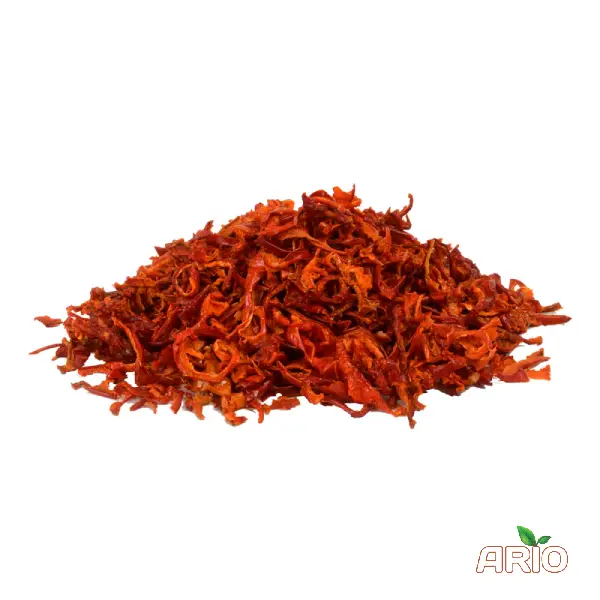
Iranian Dried Paprika Product Specifications
| Attribute | Specification |
|---|---|
| Origin | Iran |
| Form | Whole dried pods, crushed, or ground powder |
| Color (ASTA) | 150 – 200+, graded on request |
| Flavor Profile | Balanced, mild sweet to moderately hot |
| Certifications | ISO 22000, HACCP |
| HS Code | 0904.21 |
| Packaging | Vacuum-sealed or nitrogen-flushed, bulk or retail-ready |
| Shelf Life | 12 to 18 months, properly stored |
| MOQ | Available on request, from sample to full container loads |
| Pricing | From approximately $2.80/kg FOB (standard export grade) |
The Significance of Dried Paprika in the Global Spice Trade
Dried paprika, derived from the Capsicum annuum plant, has
been essential in cuisines ranging from Hungarian goulash to Spanish paella. Beyond its culinary use, paprika holds commercial value due to its natural coloring agents and nutritional benefits, rich in antioxidants like carotenoids (O’Sullivan et al., 2020). For other dried ingredients used in global recipes, dried vegetables also play a significant role in adding color and nutrients naturally.
Global demand for dried paprika is steadily increasing, with the spice market projected to grow at a compound annual growth rate (CAGR) of 5.3% through 2027 (Statista, 2024). This upward trend underscores the critical role paprika plays in the food industry.
Why Buyers Choose Iranian Dried Paprika
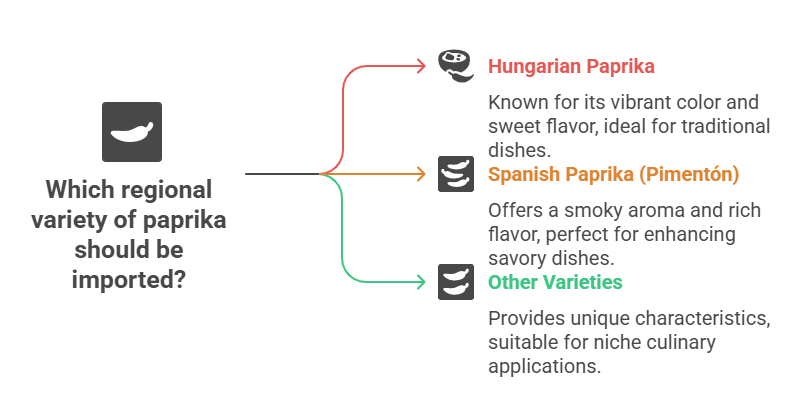
Iranian dried paprika sits in a competitive middle ground between premium European origins, like Hungary and Spain, which carry higher prices tied to regional prestige, and high-volume industrial suppliers like China, which prioritize cost over color and flavor consistency.
Our paprika combines traditional sun-drying, which preserves natural color and aroma better than fast mechanical drying, with export pricing that works for bulk food manufacturing buyers.
ISO 22000 and HACCP certification means the documentation EU and US buyers require is already in place before you place your first order.
Iranian Dried Paprika: Origin and Export Quality
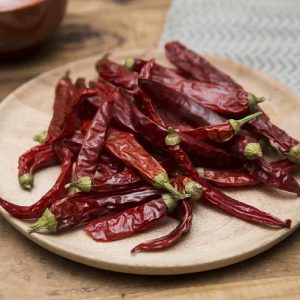
Iran has become a meaningful producer of dried paprika and related dried Capsicum products, supported by favorable growing conditions in several agricultural regions and a well-established sun-drying tradition already proven on other Iranian export spices.
Iranian paprika typically offers a balanced flavor profile, ranging from mild sweet to moderately hot depending on the specific pepper variety used, with color intensity that holds up well against ASTA grading standards used by international food manufacturers.
For buyers, Iranian dried paprika represents a competitive middle ground between premium European origins like Hungary and Spain, which command higher prices for historical and regional branding reasons, and high-volume industrial suppliers like China. Iran combines sun-drying methods that preserve natural color and aroma with FOB pricing that stays competitive for bulk food manufacturing buyers.
Iranian exporters increasingly hold ISO 22000 and HACCP certifications, which matters for buyers in the EU and US who require documented food safety compliance before onboarding a new supplier.
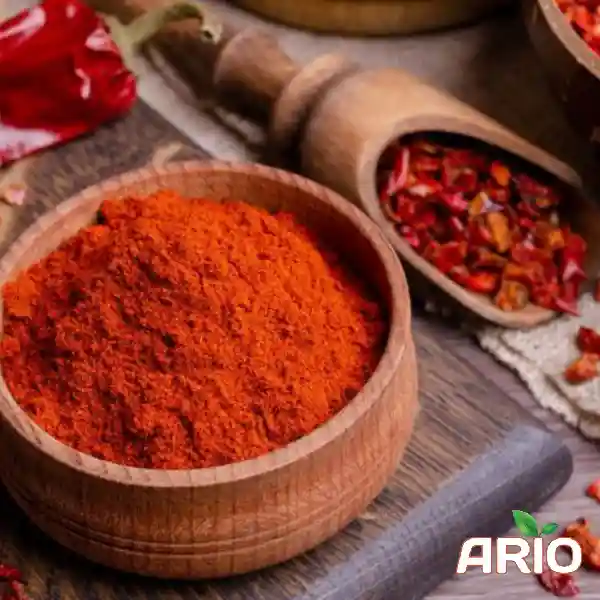
Dried Paprika Varieties We Supply
| Variety | Flavor Profile | Color | Typical Use |
|---|---|---|---|
| Standard Red Paprika | Balanced, mild to moderate heat | Bright to deep red | Food industry, sauces, seasoning blends |
| Sweet Paprika | Mild, low to no heat | Deep red | Retail seasoning, color-focused applications |
| Hot Paprika | Moderate to high heat | Deep red | Spice blends, industrial seasoning |
| Ground Powder | Fine, consistent particle size | Deep red | Ready-mix formulations, direct food processing |
For reference, here’s how our product compares to other major global origins buyers commonly evaluate against.
| Origin | Flavor Profile | Color | Common Use |
|---|---|---|---|
| Hungarian Paprika | Sweet to hot | Deep red | Goulash, stews |
| Spanish Pimentón | Smoky, mild | Rusty red | Paella, sauces |
| Iranian Paprika | Balanced, mild to moderate heat | Bright to deep red | Food industry, sauces, seasoning blends |
| Indian Paprika | Spicy, earthy | Bright red | Curries, blends |
| Chinese Paprika | Medium heat | Orange-red | Industrial seasoning |
Iranian Dried Paprika Price per Kg (2026 FOB Rates)
As of 2026, average global bulk dried paprika prices range between approximately $3.20 and $5.50 per kilogram, with premium European origins sitting at the higher end.
Iranian dried paprika is available from approximately $2.80 per kilogram FOB for standard export grade, positioning it competitively below premium European pricing while maintaining strong color and flavor characteristics.
| Origin | Approximate Price Range (USD/kg FOB) | Position |
|---|---|---|
| Hungary (Szeged) | Highest tier | Premium, regional prestige |
| Spain (La Vera) | High tier | Smoked, certified |
| Iran | From ~$2.80 | Competitive mid-range |
| China | Lowest tier | High-volume, industrial grade |
This is a market-informed estimate, not a fixed published rate. Contact our export team for a current, order-specific quote based on your required grade, volume, and packaging.
Navigating the Import and Export of Dried Paprika
Regulatory frameworks vary across countries, but several universal steps ensure smooth international trade.
1. Ensure Compliance with Food Safety Standards
Importers must verify that suppliers comply with international regulations, such as FDA requirements in the United States or EFSA standards in Europe.
2. Secure Necessary Certifications and Documentation
A phytosanitary certificate, certificate of origin, and laboratory analysis report are critical documents for customs clearance.
3. Prepare for Tariffs and Duties
Consult updated customs tariff schedules. For example, dried paprika imported into the EU currently falls under the Harmonized System code 0904.21, subject to moderate tariffs.
Dried Paprika Quality Standards & ASTA Color Grading
Color vibrancy is measured using the American Spice Trade Association scale. We grade our paprika above ASTA 150, with premium lots exceeding ASTA 180 available on request, the range preferred by food manufacturers focused on natural colorants.
Every batch is backed by ISO 22000 and HACCP certification, and lab test reports covering moisture, purity, and microbial safety are available before you commit to a bulk order.
Dried Paprika Packaging & Shelf Life for Export
We pack in vacuum-sealed or nitrogen-flushed formats to protect against light, heat, and moisture, the three main factors that degrade paprika quality during storage and transit. Bulk and retail-ready packaging formats are both available.
Temperature-controlled containers are recommended for long-haul shipping routes. Properly stored, our dried paprika retains optimal quality for 12 to 18 months.
Dried Paprika Export Documentation & HS Code 0904.21
Every export shipment includes the documentation international buyers need for smooth customs clearance.
| Document | Purpose |
|---|---|
| Phytosanitary Certificate | Confirms compliance with plant health regulations |
| Certificate of Origin | Confirms Iranian origin for tariff and customs purposes |
| Laboratory Analysis Report | Verifies quality, moisture, and safety parameters |
| Commercial Invoice | Required for customs processing |
Dried paprika is classified under HS code 0904.21 for international trade, though we recommend confirming the exact classification with your destination country’s customs authority, since ground or crushed paprika can fall under a different subheading than whole dried pods.
How to Select a Reliable Dried Paprika Supplier
Choosing the right supplier can determine your market success.
1. Check Supplier Credentials
Verify certifications, inspect product samples, and request recent laboratory reports.
2. Assess Consistency and Reliability
Ask for historical shipment data and client references to ensure reliability over time.
3. Negotiate Favorable Terms
Establish clear agreements about payment terms, quality standards, and delivery schedules.
Product Comparisons Buyers Ask About
Is sweet paprika hot?
No. Sweet paprika comes from low-capsaicin peppers and delivers color and mild flavor without heat. Only our hot-grade paprika carries meaningful spice.
Green paprika vs. red paprika?
Green paprika comes from unripe peppers and has a milder, slightly grassy flavor with duller color. We supply standard red paprika, made from fully ripened peppers, which delivers the deep color and concentrated flavor most bulk buyers require.
Smoked vs. standard dried paprika?
Smoked paprika, most closely associated with Spanish pimentón, is dried over oak wood for a distinctive smoky flavor our standard sun-dried paprika doesn’t carry. If your formulation specifically needs a smoky profile, let us know when requesting a quote.
Frequently Asked Questions About the Dried Paprika
1. What is the HS code for exporting dried paprika?
The commonly used Harmonized System (HS) code for dried paprika is 0904.21. It is advisable to verify the exact classification with the customs authority of the destination country.
2. What documents are required to export dried paprika?
Essential documents include a phytosanitary certificate, certificate of origin, laboratory analysis report, and a commercial invoice.
3. Should dried paprika be shipped in temperature-controlled containers?
Yes, for long-distance shipments, it is recommended to use temperature-controlled or cool containers to preserve the color, aroma, and overall quality of the product.
4. When is the typical harvest season for paprika?
Harvesting usually occurs from late summer to early autumn, making it the ideal time to source fresh stock at competitive prices.
5. Which countries are the leading exporters of dried paprika?
Spain, Hungary, China, India, and Peru are among the top global producers and exporters of dried paprika.
6. How can I select a reliable supplier of dried paprika?
Check for valid certifications, product samples, recent lab reports, and request past shipment records or client references to ensure reliability.