Onion Powder: Your Essential Guide to Bulk Purchase, Use, and Trade
In a global market that increasingly values convenience and longevity in food products, onion powder has become a vital ingredient across industries.
Whether you are sourcing for bulk import, looking to enter the food production market, or aiming to optimize your supply chain, understanding the full scope of onion powder provides a significant competitive advantage.
This guide walks you through its applications, production, trade essentials, and market trends — delivering insights that support smarter decisions and profitable partnerships.
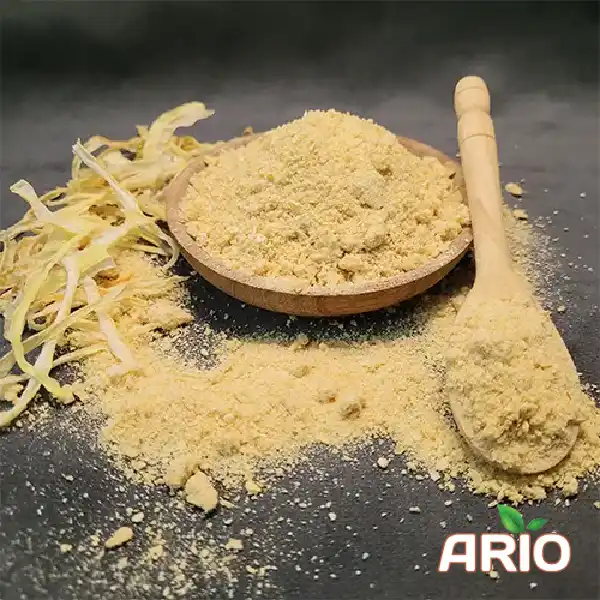
Table: Global Onion Powder Market Prices (2025 Estimate)
| Region | Average Price (USD/kg) | Market Type |
|---|---|---|
| India | 2.1 – 2.8 | Export |
| Iran | 2.5 – 3.0 | Bulk Processing |
| China | 1.8 – 2.3 | Mass Production |
| USA | 3.0 – 4.5 | Retail / Organic |
Global Price Trends and Market Forecast
The global onion powder market has shown steady growth over the past five years due to rising demand in food manufacturing, ready meals, and spice blends. In 2025, wholesale prices typically range between USD 1.80 and 2.40 per kilogram, depending on origin and quality grade. The same trend applies to other dried vegetables, whose global prices also fluctuate with energy and logistics costs.
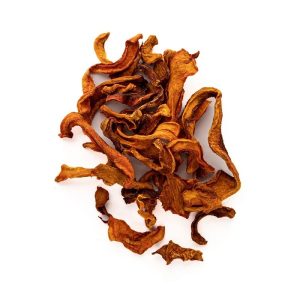
Prices are expected to increase by 4–6% annually through 2030 as production costs rise in major exporting countries such as India, China, and Iran. Demand remains strongest in Asia-Pacific and the Middle East, where onion powder serves as a cost-effective flavoring alternative to fresh onions, much like dried tomato in processed foods.
Demand remains strongest in Asia-Pacific and the Middle East, where onion powder serves as a cost-effective flavoring alternative to fresh onions. Global analysts forecast the market will surpass USD 1.6 billion by 2030, supported by expanding processed-food industries and the convenience-food boom worldwide.
How Onion Powder is Produced and Classified
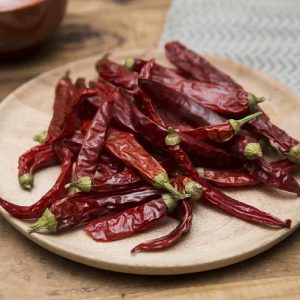
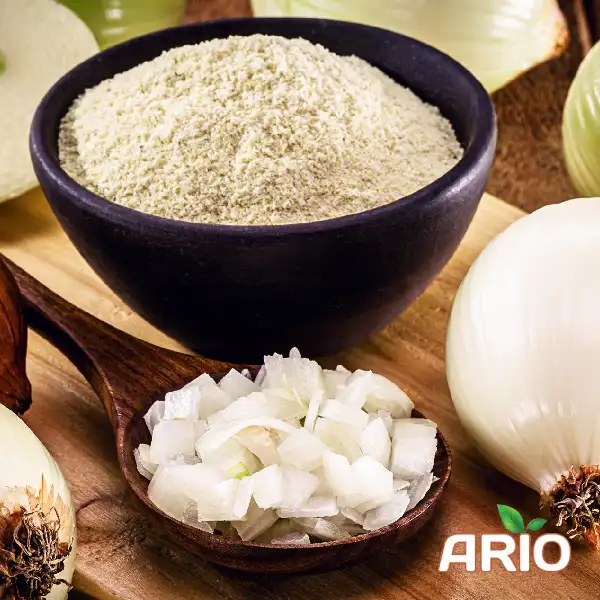
The production of onion powder begins with carefully selected onions that are cleaned, sliced, dehydrated, and then ground into a fine powder. Similar dehydration methods are used in creating dried paprika, which helps retain both flavor and color intensity.
Several varieties exist:
- White Onion Powder is known for its sweet, mild taste.
- Red Onion Powder offers a slightly stronger, sharper flavor.
- Toasted Onion Powder delivers a rich, roasted profile ideal for seasoning blends.
Choosing the right type depends largely on the intended application and flavor profile required.
Visit the blue link to see detailed information about our dried onion products.
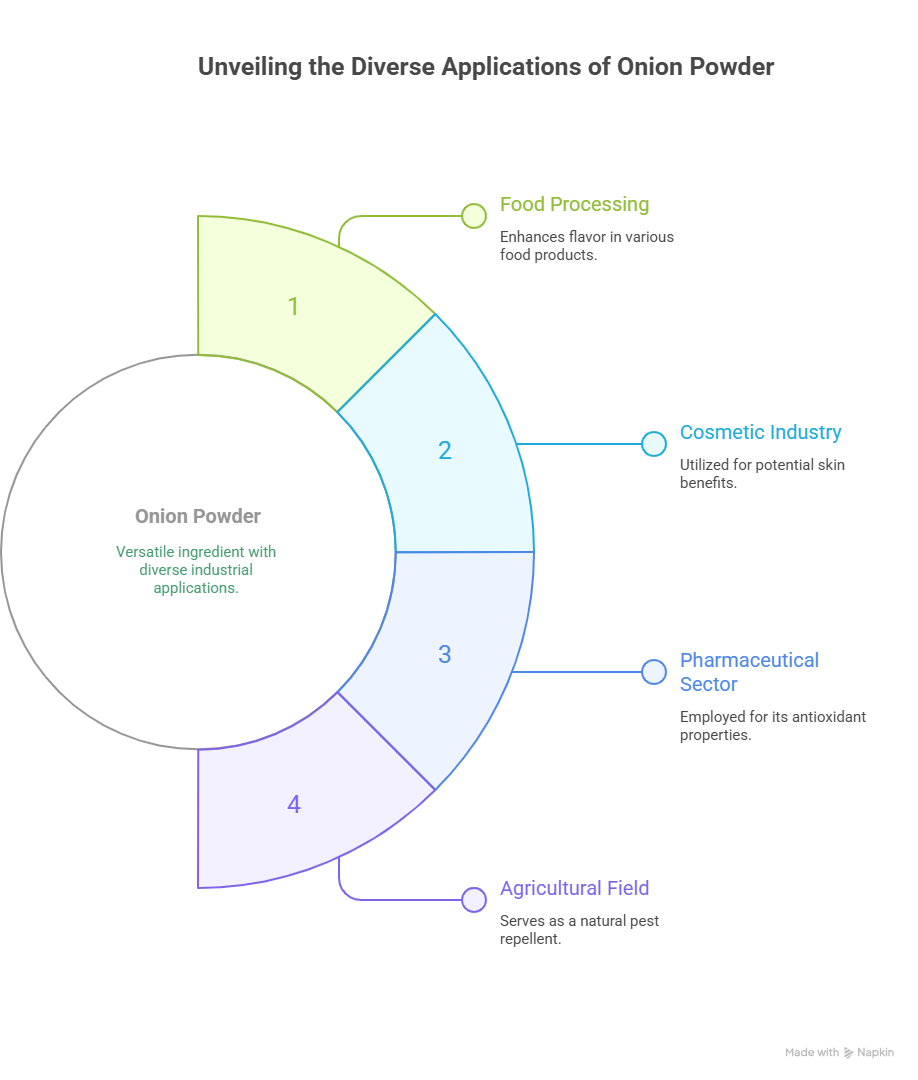
Top Industries and Applications of Onion Powder
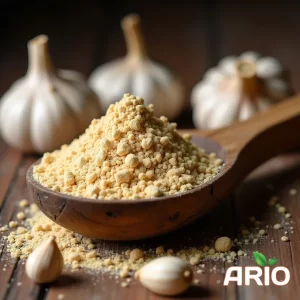
The use of onion powder extends far beyond culinary practices. In food manufacturing, it is a staple ingredient alongside products like garlic powder, used in soups, sauces, and spice mixes. Pharmaceutical, nutraceutical, and even cosmetic industries use it for its antioxidant and antimicrobial properties.
This versatility makes onion powder one of the most demanded dried onion derivatives in global trade today.
Food Manufacturing
Onion powder is a staple in soups, sauces, snack seasonings, and ready-to-eat meals.
Spice Blends and Seasoning Production
Manufacturers use it to create consistent, long-lasting spice mixes that appeal to diverse taste preferences.
Pharmaceuticals and Nutraceuticals
Due to its antioxidant and antimicrobial properties, onion powder is incorporated into supplements.
Cosmetic Formulations
Some skincare products leverage onion extracts for their potential anti-inflammatory effects.
Global Market Outlook and Trends
The global market for onion powder is growing steadily. Research by DataIntelo highlights an expected Compound Annual Growth Rate (CAGR) of around 4.5% through 2032. North America currently dominates the market, but rising demand in the Middle East and Asia-Pacific regions signifies promising opportunities for exporters.
Shifting consumer behavior toward healthier eating habits and the convenience of powdered foods fuels this demand. Importers and exporters must stay ahead of these trends to maximize profitability.
Essential Import and Export Guidelines for Bulk Onion Powder
International trade in onion powder requires compliance with ISO 22000, HACCP, and other food safety standards. Similar certification standards also govern exports of tomato powder, ensuring product integrity and global acceptance. Proper tariff classification, quality assurance, and cold-chain logistics further guarantee smooth import and export operations.
Certifications and Standards
Certifications such as ISO 22000, HACCP, and USDA Organic are often required to gain access to international markets.
Tariff Classifications and Taxes
Harmonized System (HS) codes for onion powder must be accurately applied to avoid legal complications.
Logistics and Storage Considerations
Shipments must be stored in cool, dry containers to maintain quality during transit. Shelf life typically ranges between 18 and 24 months under proper conditions.
Understanding and complying with these standards streamlines customs clearance and minimizes the risk of product degradation.
Key Factors When Choosing a Bulk Supplier
Selecting the right supplier determines product quality, cost efficiency, and supply chain reliability. Focus on these factors:
Quality Assurance
Confirm supplier certifications and conduct sample testing for flavor, color, and moisture content.
Pricing and Minimum Order Quantities
Negotiate contracts that balance competitive pricing with manageable order sizes.
Reputation and Reliability
Look for reviews, references, and history in meeting delivery schedules without quality compromise.
Working with reputable suppliers from trusted agricultural regions such as Iran, India, and Egypt can offer cost benefits without sacrificing quality.
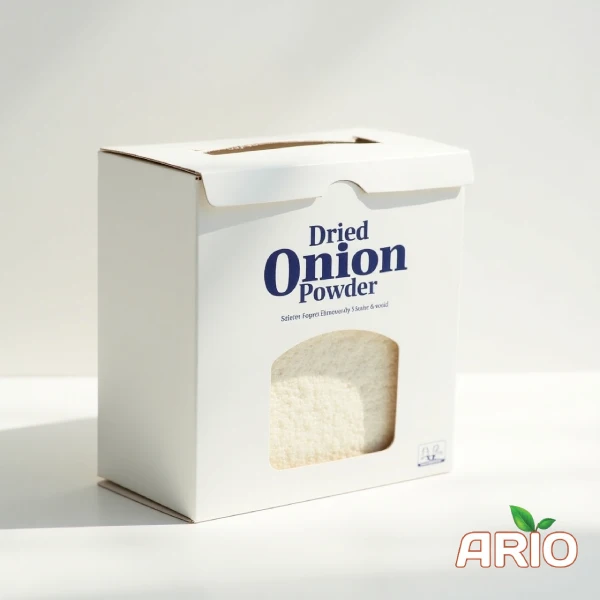
Proper Storage and Shelf Life Considerations
Maintaining the integrity of dried onion powder involves careful storage:
- Store in airtight containers away from light, heat, and moisture.
- Keep at stable, cool temperatures to prevent clumping and flavor loss.
- Rotate stock regularly to ensure the oldest batches are used first.
A well-managed inventory system extends usability and preserves profitability.
Nutritional Value and Health Advantages
Onion powder retains many of the nutritional benefits found in fresh onions. It is rich in antioxidants like quercetin, as well as essential minerals including potassium, iron, and calcium. Research published in the Journal of Food Science and Technology confirms its antimicrobial properties, adding functional value beyond flavor.
Compared to fresh onions, the concentrated nature of the powder also delivers enhanced health benefits per gram, making it a practical choice for nutritional supplementation in food products.