Title: Dried Dill for Bulk Buyers: A Complete Guide to Sourcing, Quality, and Use
Key Benefits and Common Applications of Dried Dill
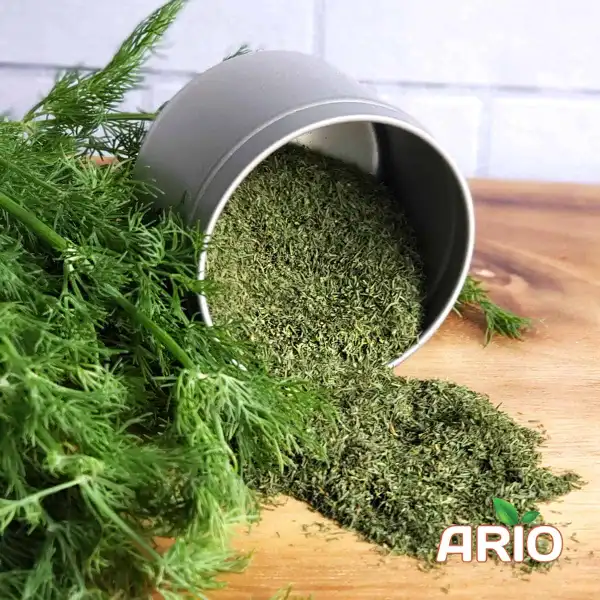
Dried dill retains the aromatic qualities of the fresh herb, making it a reliable flavoring agent. Its popularity spans culinary, nutritional, and even medicinal markets. In food production, it is used in pickling, sauces, dressings, and meat seasonings. According to EatingWell, dill also offers antibacterial and anti-inflammatory properties, which contribute to its rising use in health-focused product lines.
Differences Between Fresh and Dried Dill
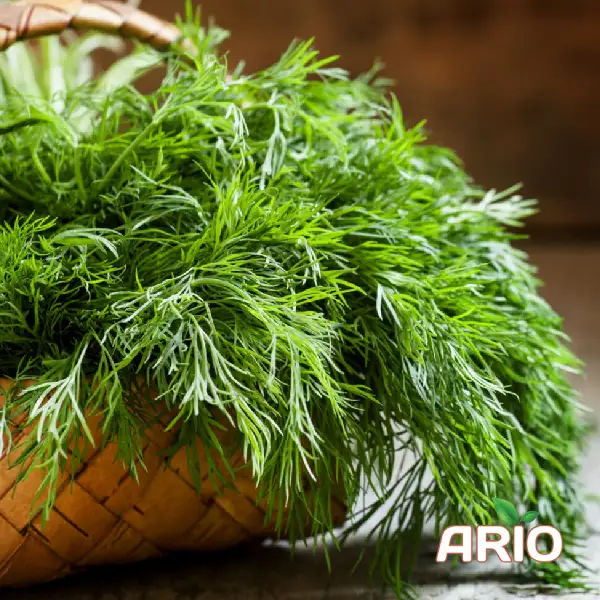
While fresh dill is delicate and perishable, dried dill is concentrated and long-lasting. Drying enhances shelf life without significantly compromising flavor. For manufacturers and exporters, this means reduced spoilage, simplified logistics, and consistent taste profiles in final products.
Meeting International Quality and Certification Standards
For bulk importers and exporters, product quality is critical. Most B2B buyers require dried dill to meet recognized standards like ISO 22000, HACCP, and organic certifications. Products must also comply with destination-country food safety laws and labeling regulations. These requirements ensure product integrity during cross-border transportation and storage.
our product: dried herbs
Table: Fresh vs. Dried Dill Comparison
| Feature | Fresh Dill | Dried Dill |
|---|---|---|
| Shelf Life | 1–2 weeks | Up to 24 months |
| Flavor Intensity | Mild | Concentrated (3–4× stronger) |
| Storage | Refrigerated | Dry, cool storage |
| Industrial Use | Limited | Ideal for mass production |
| Cost | Higher due to perishability | More cost-effective |
Cost Factors and How Buyers Can Reduce Procurement Expenses
Bulk dried dill pricing is influenced by multiple agricultural, processing, and logistical variables. Understanding these factors helps buyers negotiate better rates, plan procurement cycles, and maintain consistent supply while reducing overall costs.
Key Cost Factors in Bulk Dried Dill Procurement
1. Seasonal Harvest Fluctuations
Dill is sensitive to climate conditions. Drought, excessive rain, or temperature shifts directly affect crop yield. Lower yield seasons typically lead to higher market prices.
2. Geographic Origin
Producing countries like Iran, Egypt, and India offer different price tiers based on labor costs, farming practices, and export policies. Regions with advanced drying technologies often charge premium rates due to higher quality output.
3. Processing and Drying Method
Freeze-dried and premium air-dried dill are priced higher because they retain more essential oils and color. Standard dehydrated dill is more affordable but may have lower aroma intensity.
4. Certification Requirements
Organic, non-GMO, ISO 22000, and HACCP-certified products cost more due to stricter farming and processing protocols. Lab testing and documentation also add to supplier costs.
5. Logistics and Freight Costs
Shipping mode (air vs. sea), distance, fuel costs, and container availability significantly influence the final landed price. Herbs are lightweight but occupy large volume, affecting cost efficiency.
6. Packaging Specifications
Bulk buyers can receive dill in kraft bags, vacuum packs, or sealed drums. Higher-barrier packaging increases cost but improves shelf life and reduces spoilage risk.
Top Regions and Suppliers of Dried Dill
Iran, India, and Egypt are among the leading producers of high-quality dried dill. Iran, in particular, offers climate conditions favorable to dill cultivation and an export infrastructure suited for bulk herb shipments. When selecting a supplier, buyers should evaluate harvest practices, drying techniques, and supply capacity.
1. How to Source Bulk Dried Dill Effectively
- Research Supplier Credentials
Verify business licenses, product certifications, and export history. - Request Samples for Testing
Ensure consistency in texture, aroma, and moisture content. - Negotiate Long-Term Contracts
Secure better pricing and priority delivery options. - Inspect Packaging and Storage Methods
Confirm that packaging prevents contamination and maintains freshness.
2. Import and Export Guidelines for Dried Dill
- Understand Customs Documentation
Ensure all phytosanitary certificates and invoices meet import regulations. - Use Third-Party Inspection Services
Verify product quality before shipment leaves the origin country. - Select Reliable Freight Partners
Choose logistics companies with cold-chain or dry-container expertise, depending on the product form.
3. Pricing Trends and Market Forecasts
Global demand for dried herbs, including dill, has been growing steadily. According to FAO reports, the bulk dried herb market is projected to grow at over 5% annually through 2030. Prices depend on harvest yields, processing methods, and currency exchange rates in exporting countries.
4. Proper Storage and Shelf Life Recommendations
Dried dill should be stored in airtight, opaque containers in cool, dry environments. Under these conditions, it retains its quality for up to 24 months. Moisture control and light exposure are the most critical factors in maintaining potency over time.
Conclusion
Dried dill is a strategic ingredient in many commercial food systems. With long shelf life, robust flavor, and numerous applications, it remains an essential item in global spice and herb trading. By understanding quality standards, sourcing tactics, and export logistics, buyers can make well-informed purchasing decisions that support efficiency and product excellence.
Frequently Asked Questions
What is dried dill used for in commercial food production?
It is used in sauces, pickling mixes, spice blends, soups, and salad dressings for its strong, aromatic flavor.
How does dried dill compare to fresh dill in flavor and usability?
Dried dill has a more concentrated flavor and longer shelf life, making it ideal for bulk storage and consistent formulation.
What are key quality indicators when evaluating dried dill for purchase?
Color consistency, low moisture content, and strong aroma indicate a high-quality product.
How should dried dill be stored in warehouses or factories?
It should be kept in sealed containers in cool, dry areas to prevent spoilage and maintain flavor.
Is there a difference between dill sourced from different countries?
Yes. Factors like soil, climate, and drying techniques affect flavor intensity and oil content.