
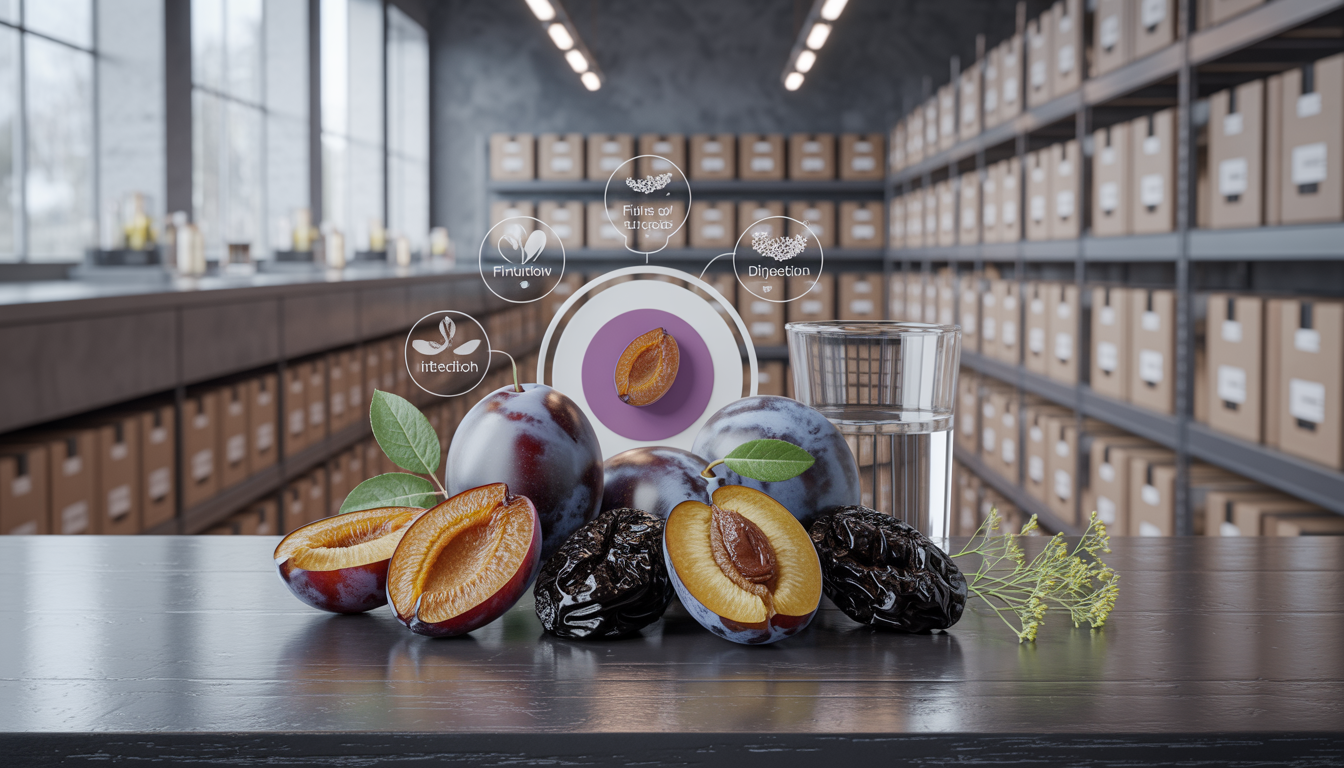
What is the difference between dried plums and prunes, and which is better for constipation?
-
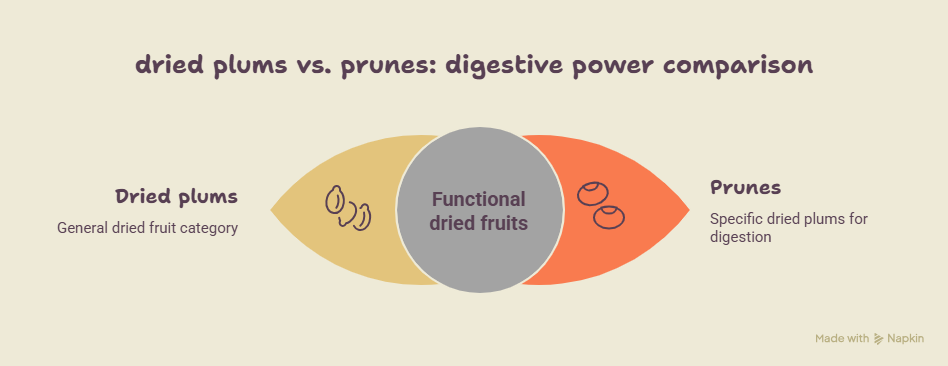
Prunes are a specific type of dried plum
-
They contain more sorbitol and fiber
-
They are more effective for constipation
-
Dried plums are a broader category
Is there a real difference between dried plums and prunes, or is it just a matter of naming?
This question seems simple, yet it influences health choices, product labeling, and even export strategies.
The short answer is clear. All prunes are dried plums, but not all dried plums are prunes. Understanding this distinction helps you choose the right product for digestion, nutrition, and market needs.
Dried Plums vs Prunes Comparison Table
| Feature | Dried Plums | Prunes |
|---|---|---|
| Definition | General dried plums | Specific variety |
| Botanical source | Any plum | Prunus domestica |
| Sugar content | Medium | High |
| Fiber | Moderate | High |
| Laxative effect | Mild | Strong |
| Taste | Variable | Sweet, rich |
What Dried Plums vs Prunes Really Mean in Practice
Dried plums refer to any plum that has been dehydrated. Prunes, however, come from specific varieties of Prunus domestica, often called European plums.
These varieties have a naturally higher sugar content and lower moisture, which allows them to dry without fermentation.
This difference explains why prunes have a softer texture and a deeper, sweeter flavor. It also explains their stronger association with digestive health. The distinction is subtle, yet important for both consumers and buyers.
Why Are Dried Plums Called Prunes in the Market
The term “prune” has existed for centuries, but its perception changed over time. In the early 2000s, studies in the United States showed that consumers associated prunes mainly with digestive issues. To reposition the product, producers began using the term “dried plums” in marketing.
This shift was not about changing the fruit. It was about changing perception. The product remained the same, but the name became more appealing to modern consumers. This sounds strategic, doesn’t it?
Dried Plums vs Prunes for Constipation and Digestive Health
One of the main reasons people search for prunes is their effect on constipation. Scientific studies confirm that prunes are effective natural laxatives due to three key components:
- Dietary fiber supports bowel movement
- Sorbitol draws water into the intestines
- Polyphenols improve gut microbiota
Research published in clinical nutrition journals shows that consuming 50 to 100 grams of prunes daily can improve stool frequency. This makes them one of the most studied functional foods for digestive health.
1. How Many Dried Plums to Eat for Constipation
A common recommendation is 4 to 6 prunes per day. Effects usually appear within 6 to 12 hours, depending on metabolism.
2. When Is the Best Time to Eat Prunes
Morning consumption often works best, especially when combined with warm water. Some people prefer soaking prunes overnight to increase hydration and improve digestion.
Dried Plums vs Prunes Taste and Texture Comparison
Taste differences depend on the variety used. Prunes tend to be:
- Sweeter and richer
- Softer and more moist
- Slightly caramel-like in flavor
Dried plums made from other varieties may taste more tart or firm. This variation matters for food processing and consumer preference.
Prunes vs Fresh Plums for Constipation Comparison Table
| Factor | Prunes | Fresh Plums |
|---|---|---|
| Fiber content | 6.1 g per 100 g | 1.4 g per 100 g |
| Sorbitol content | 14–16 g per 100 g | 1–2 g per 100 g |
| Effect on constipation | Strong natural laxative effect | Mild digestive support |
| Speed of action | 6–12 hours in many cases | Slower and less consistent |
| Water content | About 30% | About 85% |
Plum Juice vs Prune Juice and Their Effects
Prune juice contains higher levels of sorbitol and is often used for digestive relief. Plum juice, depending on the source, may not provide the same effect.
This raises an interesting point. If both come from the same fruit family, why does one work better? The answer lies in processing and fruit selection.
Export and Market Insight for Dried Plums and Prunes
In global trade, terminology matters. In the United States, “dried plums” is the preferred retail term. In bulk markets, “prunes” is still widely used, especially for health-oriented products.
Typical bulk pricing shows this distinction:
- Dried plums from Iran range between 2.5 to 5 dollars per kilogram
- Premium prunes can reach 4 to 8 dollars per kilogram
For exporters, choosing the right label can influence buyer perception and pricing.
Are Dried Plums Good for Constipation
Yes, dried plums can help relieve constipation, but their effect is generally milder compared to prunes.
Dried plums contain dietary fiber, which supports bowel movement and improves digestive regularity. However, they usually have lower levels of sorbitol compared to prunes. Sorbitol is a natural sugar alcohol that helps draw water into the intestines and softens stool.
This is why prunes are considered more effective for constipation relief than general dried plums.
Key reasons prunes work better include higher sorbitol content, more concentrated fiber, and stronger overall laxative activity supported by clinical nutrition studies.
Why Prunes Are Better for Constipation Relief
Prunes are widely studied in digestive health research because they combine multiple natural compounds that support bowel function.
They contain dietary fiber that increases stool bulk and improves movement through the intestines. They also contain sorbitol, which helps retain water in the colon and softens stool consistency. In addition, polyphenols in prunes may support gut microbiota balance, which is important for long-term digestive health.
Because of this combination, prunes are often recommended in nutrition guidelines as a natural food-based option for managing mild constipation.
Best Prunes for Constipation Relief
Not all prunes provide the same digestive effect. The quality, processing method, and moisture level can influence their effectiveness.
Soft texture prunes for faster digestion
Soft prunes are easier to chew and digest, which can help the body respond more quickly.
High moisture prunes for better stool softening
Prunes with higher moisture content tend to retain more active compounds that support hydration in the digestive tract.
No added sugar prunes for better gut health
Natural prunes without added sugar are preferred because they maintain their original fiber and sorbitol balance without unnecessary additives that may affect digestion.
How to Use Prunes for Constipation Support
For best results, prunes can be consumed in the morning or before bedtime. Some people prefer soaking them overnight in water to improve softness and hydration.
A common intake range in nutritional studies is around four to six prunes per day, depending on individual tolerance and dietary habits. Regular consumption may help support consistent bowel movement over time.
Conclusion: Choosing Between Dried Plums and Prunes
The difference between dried plums and prunes is both botanical and commercial. If your focus is digestive health, prunes are the better option. If your goal is general consumption or modern branding, dried plums may be more appealing.
Understanding this distinction allows better decisions, whether you are a consumer or a buyer in the dried fruit industry.
FAQ
Are dried plums and prunes the same
They are closely related. All prunes are dried plums, but only specific plum varieties qualify as prunes.
Do dried plums have the same laxative effect as prunes
Not always. Prunes contain higher levels of sorbitol and fiber, making them more effective for constipation.
Which is healthier, prunes or plums
Prunes are generally more concentrated in nutrients due to dehydration, especially in fiber and antioxidants.
How quickly do prunes work for constipation
Most people experience effects within 6 to 12 hours after consumption.
CharlesBus
From a supply chain perspective, we noticed Iranian prunes have better price stability compared to US-origin products. Is this due to harvest structure or processing methods?
afruit
It is mainly due to seasonal production cycles and lower processing costs in origin markets. Iran benefits from favorable climate conditions and large-scale orchard production.
Hilda
I always thought prunes and dried plums were completely different products. Can you clarify if they are actually the same thing?
afruit
Yes, prunes are a type of dried plum, but only specific varieties. All prunes are dried plums, but not all dried plums have the same properties as prunes.
Dillon2875
Your guide clearly states the price differences between standard dried plums and premium prunes. Could you clarify the exact size grading (e.g., 40/50 or 60/70 count per pound) available for the $4–$8/kg premium prune range?
afruit
Hello. The $4–$8 FOB range primarily covers our premium 40/50 and 50/60 large-sized prunes. We can send you the comprehensive grading sheet along with our current Q3 price list via email.