
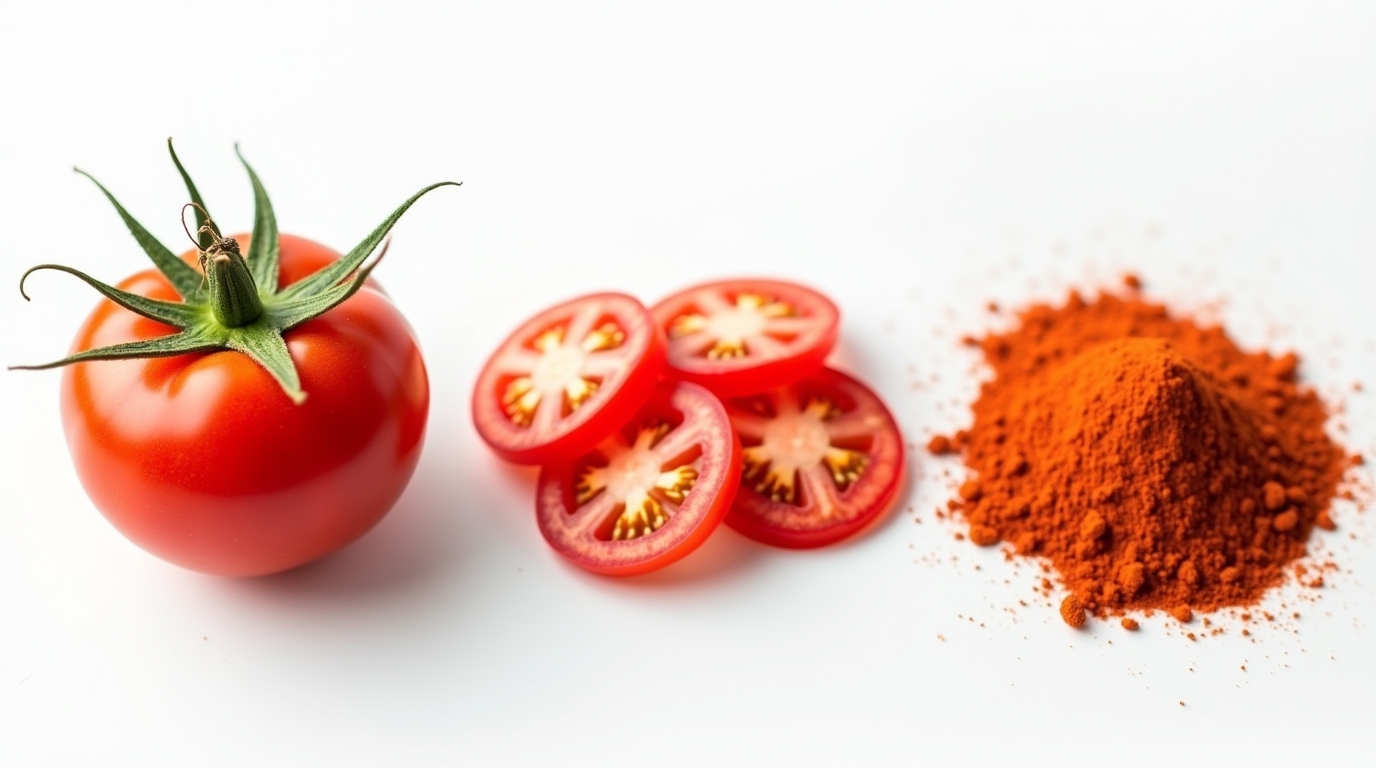
What are tomato prices today for fresh tomato, dried tomato, and tomato powder, and how should buyers respond?
-
Fresh tomato prices today vary by region and season
-
India averages around ₹27 per kg wholesale
-
Europe ranges between €1.47 and €5.97 per kg
-
Dried tomato prices are more stable but depend on processing cost
-
Tomato powder costs more due to added milling and quality control
-
Bulk buyers should track weekly trends and secure contracts during peak harvest
Vegetables like Tomato prices move quickly across global markets. For traders and bulk buyers, a small price shift per kilogram can significantly impact contract margins.
Whether you are sourcing fresh tomato for wholesale distribution, dried tomato for processing, or tomato powder for industrial applications, understanding tomato prices today is essential for cost control and risk management.
This report examines current wholesale price benchmarks and explains how supply, seasonality, and processing levels influence pricing across product categories.
Many buyers also consider related products like dried vegetables to diversify their sourcing and reduce spoilage risk
Tomato Prices Today Quick Market Snapshot
| Product Type | Average Wholesale Price | Key Market |
|---|---|---|
| Fresh Tomato | ₹27 per kg | India Mainpuri |
| Fresh Tomato | €1.47–€5.97 per kg | Europe |
| Fresh Tomato | $1.90–$2.15 per kg | Ukraine |
| Dried Tomato | Varies by cut & moisture | Export markets |
| Tomato Powder | Premium over dried | Industrial buyers |
Fresh Tomato Prices in Major Wholesale Markets
Fresh tomato prices today vary widely depending on region, harvest season, and variety.
In India, wholesale prices in markets such as Mainpuri average around ₹27 per kilogram, with hybrid varieties ranging between ₹26 and ₹28 per kg during normal supply conditions. Buyers often compare these rates with dried paprika for complementary products in spice and sauce production.
In European wholesale markets including Warsaw, Poznan, and Wroclaw, fresh tomato prices have historically ranged between €1.47 and €5.97 per kilogram. Lower prices apply to standard round tomatoes, while cherry and rose varieties trade at a premium. Many importers cross-check this with dried onion pricing to plan seasonal procurement.
In Ukraine, greenhouse fresh tomato prices recently ranged between 80 and 90 Ukrainian Hryvnia per kg, approximately $1.90 to $2.15 per kg. Seasonal slowdowns and limited greenhouse output explain the upward pressure. Some buyers use garlic powder as a supplementary product in processing, given its stable pricing.
Fresh tomato pricing is highly sensitive to harvest cycles, weather conditions, transportation costs, import flows, and storage limitations. To better forecast prices, many bulk buyers track benchmarks alongside products like onion powder to optimize inventory.
-
Harvest cycles
-
Weather conditions
-
Transportation costs
-
Import flows
-
Storage limitations
Because fresh tomatoes are perishable, supply shocks quickly affect tomato prices.
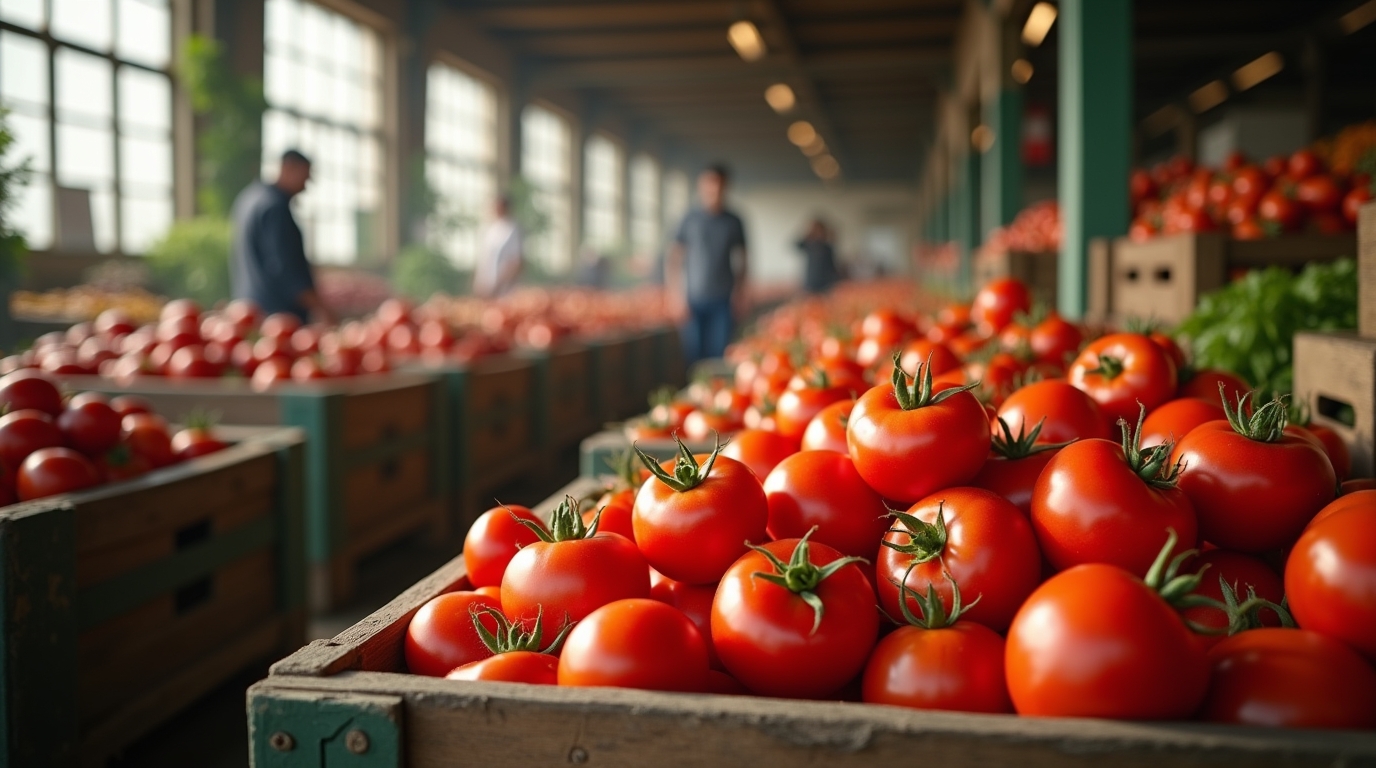
Dried Tomato Market Prices and Trade Trends
Dried tomato offers a longer shelf life and lower transportation risk compared to fresh tomato. As a result, dried tomato prices are generally more stable but influenced by raw material costs and energy expenses for dehydration. Those interested in export and import price trends can also reference the Iran Dry Fruits Price List to compare seasonal changes.
Wholesale dried tomato prices typically reflect fresh tomato input cost, processing and drying technology, labor and packaging, and export freight. Export markets often adjust pricing based on cut style, moisture level, and whether the product is sun-dried or mechanically dehydrated. Guidance for exporters and importers is available in the Iran Dried Fruits Export Guide.
Buyers prefer dried tomato for ready meal production, pasta and sauce manufacturing, snack seasoning, and food service distribution. Accurate pricing and classification can be checked with resources such as the HS code list for fruits and vegetables.
-
Fresh tomato input cost
-
Processing and drying technology
-
Labor and packaging
-
Export freight
In export markets, dried tomato prices vary based on cut style, moisture level, and whether the product is sun-dried or mechanically dehydrated.
Buyers prefer dried tomato for:
-
Ready meal production
-
Pasta and sauce manufacturing
-
Snack seasoning
-
Food service distribution
Because dried tomato reduces spoilage risk, many importers diversify procurement between fresh tomato and dried tomato to manage volatility.
Tomato Powder Pricing for Industrial Buyers
Tomato powder is a value-added product made from dehydrated tomato solids. It is widely used in seasoning blends, soup bases, instant foods, and processed meat products. Seasonal specials and decorative products like Dried Orange Garland can sometimes complement industrial mixes containing tomato powder.
Tomato powder prices are typically higher per kilogram than dried tomato because of additional milling, fine processing, and strict microbiological standards. Many industrial buyers reference suppliers listed in Where to Buy Dried Orange for diverse ingredient sourcing.
Industrial buyers monitor particle size consistency, color index, lycopene concentration, and moisture content. Tomato powder pricing depends heavily on raw fresh tomato availability. When fresh tomato prices rise sharply due to crop damage, tomato powder contracts also increase. Historical price trends for other products can be cross-checked with the Iran Dried Apple Price listings.
-
Particle size consistency
-
Color index
-
Lycopene concentration
-
Moisture content
Tomato powder pricing depends heavily on raw fresh tomato availability. When fresh tomato prices rise sharply due to crop damage, tomato powder contracts also increase.
Why Tomato Prices Fluctuate Across Products
Tomato prices today differ between fresh tomato, dried tomato, and tomato powder because each stage adds cost and reduces perishability risk.
Key drivers include:
-
Climate impact on harvest
-
Greenhouse production output
-
Fuel and logistics costs
-
Import tariffs
-
Currency exchange movements
For example, extreme weather events in producing countries can push fresh tomato prices up first. Dried tomato and tomato powder follow after processing cycles adjust.
How Bulk Buyers Should Respond to Tomato Prices Today
Professional buyers use structured strategies to manage volatility.
1 Monitor weekly wholesale averages instead of reacting to daily spikes
2 Diversify sourcing origins
3 Secure forward contracts during peak harvest
4 Balance fresh tomato purchases with dried tomato or tomato powder inventory
5 Track agricultural market committee price dashboards
This disciplined approach reduces exposure to sudden price surges.
Final Insight for Traders and Importers
Tomato prices today are shaped by harvest cycles, climate events, logistics, and processing capacity. Fresh tomato reacts first to supply shifts. Dried tomato and tomato powder follow based on processing adjustments.
For bulk buyers, the smartest strategy is not chasing the lowest daily price. It is understanding the supply chain structure and timing purchases accordingly.
Stable sourcing depends on data, diversification, and disciplined contract planning.
Frequently Asked Questions About Tomato Prices
What are tomato prices today in major markets
Fresh tomato prices in India average around ₹27 per kg. European markets range between €1.47 and €5.97 per kg depending on variety. Ukraine greenhouse prices are approximately $1.90 to $2.15 per kg.
Why is dried tomato more expensive than fresh tomato
Dried tomato includes processing, dehydration, labor, and packaging costs. The added value and longer shelf life increase per kilogram pricing.
Does tomato powder cost more than dried tomato
Yes. Tomato powder undergoes additional milling and quality control processes, which increases production costs.
Which product is more stable for importers
Dried tomato and tomato powder are generally more stable than fresh tomato because they have longer shelf life and lower spoilage risk.