

What is the step-by-step process to import dried fruit from Iran to Europe?
-
Find a verified Iranian supplier
-
Test product quality and compliance
-
Prepare required export documents
-
Arrange shipping (sea, road, or air)
-
Clear EU customs and deliver goods
Importing dried fruit from Iran to Europe has become a structured trade opportunity driven by strong demand for raisins, dates, and apricots in European wholesale and retail markets. Iran remains one of the key global suppliers due to its climate advantages and production volume. At the same time, the European Union applies strict food safety and documentation standards that shape every step of the import process.
The real question is not whether demand exists, but whether importers understand the exact compliance path. A single mistake in documentation or residue limits can delay or block shipments. This guide walks through the process in a practical way so importers can reduce risk and build a stable supply chain from Iran into Europe.
Understanding Demand for Import Dried Fruit from Iran to Europe
Europe imports large volumes of dried fruits each year, with raisins and dates being the most common categories. According to recent EU trade data, dried fruit imports continue to grow steadily due to rising consumer demand for natural snacks and plant-based diets.
Iran plays a strong role in supplying:
- Raisins for bakery and confectionery industries
- Dates for retail and food processing
- Dried apricots for health-focused snack markets
- Figs for premium and organic segments
This demand creates long-term opportunities for structured import businesses.
Table: Dried Fruit Product Portfolio
| Product | EU Demand Level | Main Use |
|---|---|---|
| Dried Apricot | High | Snacks, bakery |
| Raisin | Very High | Food industry |
| Dried Fig | Medium | Premium retail |
| Dried Cherry | Growing | Health foods |
| Dried Plum | High | Digestive products |
| Dried Orange | Niche | Flavoring |
| Dried Peach | Medium | Snack blends |
| Dried Lemon | Niche | Tea & beverage |
EU Regulations for Import Dried Fruit from Iran to Europe
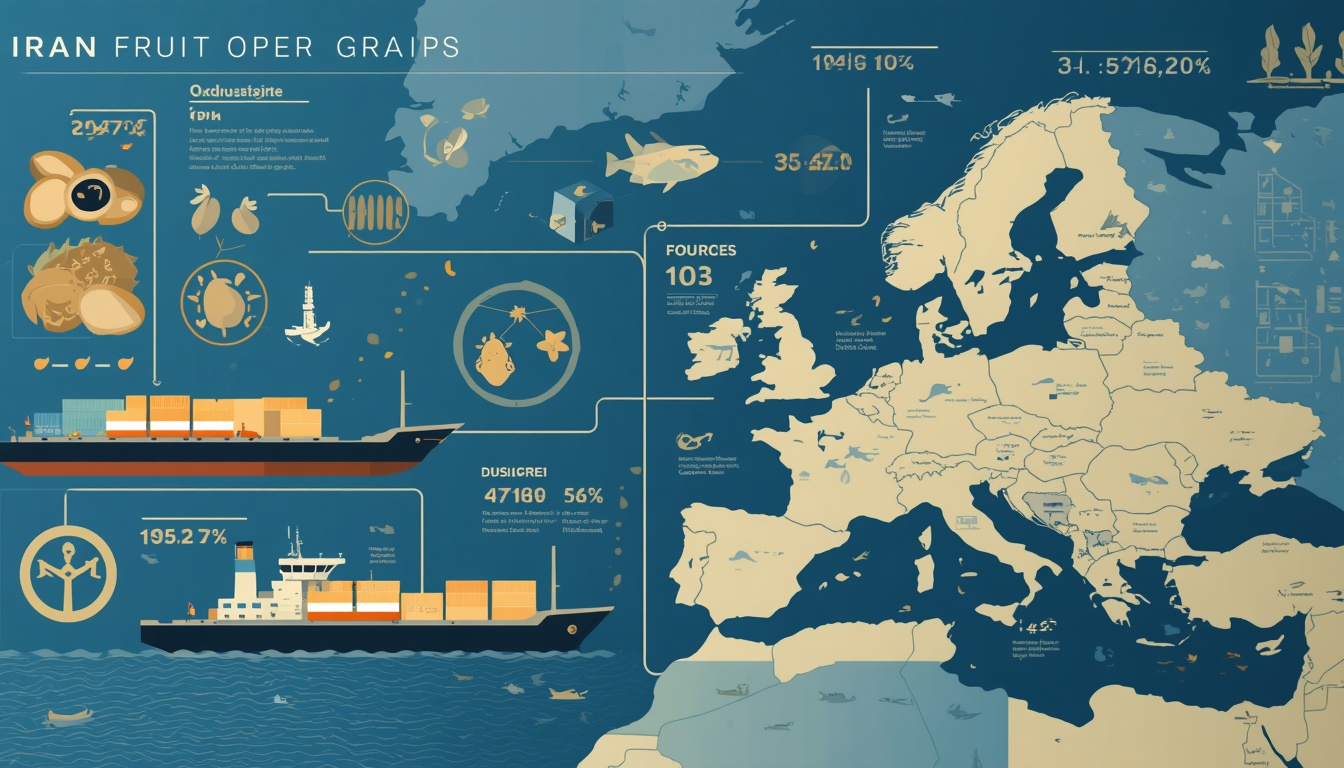
European import rules are strict and centered on food safety. The most critical compliance areas include aflatoxin control, pesticide residue limits, and labeling standards.
Key regulatory requirements include:
- Compliance with European Union food safety regulations
- Laboratory testing for contaminants such as aflatoxin
- Proper allergen and origin labeling
- Traceability from farm to shipment
Even small deviations can lead to border rejection, making pre-shipment testing essential.
Required Documents for Import Dried Fruit from Iran to Europe
Importers must prepare a complete documentation package before shipment.
Common required documents include:
- Commercial invoice with product details and value
- Packing list showing weights and packaging
- Bill of lading for shipment confirmation
- Certificate of origin from Iran
- Phytosanitary certificate confirming plant health compliance
- Laboratory test reports when required
Where to Buy Iranian Nuts Online?
Step-by-Step Process to Import Dried Fruit from Iran to Europe
1. Identify verified Iranian suppliers with export experience
Choose suppliers who already export to EU markets and understand compliance rules.
2. Request product samples and perform quality testing
Check moisture level, taste, and contamination risks before bulk ordering.
3. Sign a commercial contract with clear trade terms
Define Incoterms, payment method, and delivery responsibilities.
4. Prepare export documentation and certifications
Ensure all certificates match EU import requirements to avoid delays.
5. Arrange shipping via sea, road, or air freight
Sea freight is most cost efficient for bulk shipments, while air freight suits premium goods.
6. Complete customs clearance in Europe
Submit documents to customs authorities for inspection and release.
Logistics Routes for Import Dried Fruit from Iran to Europe
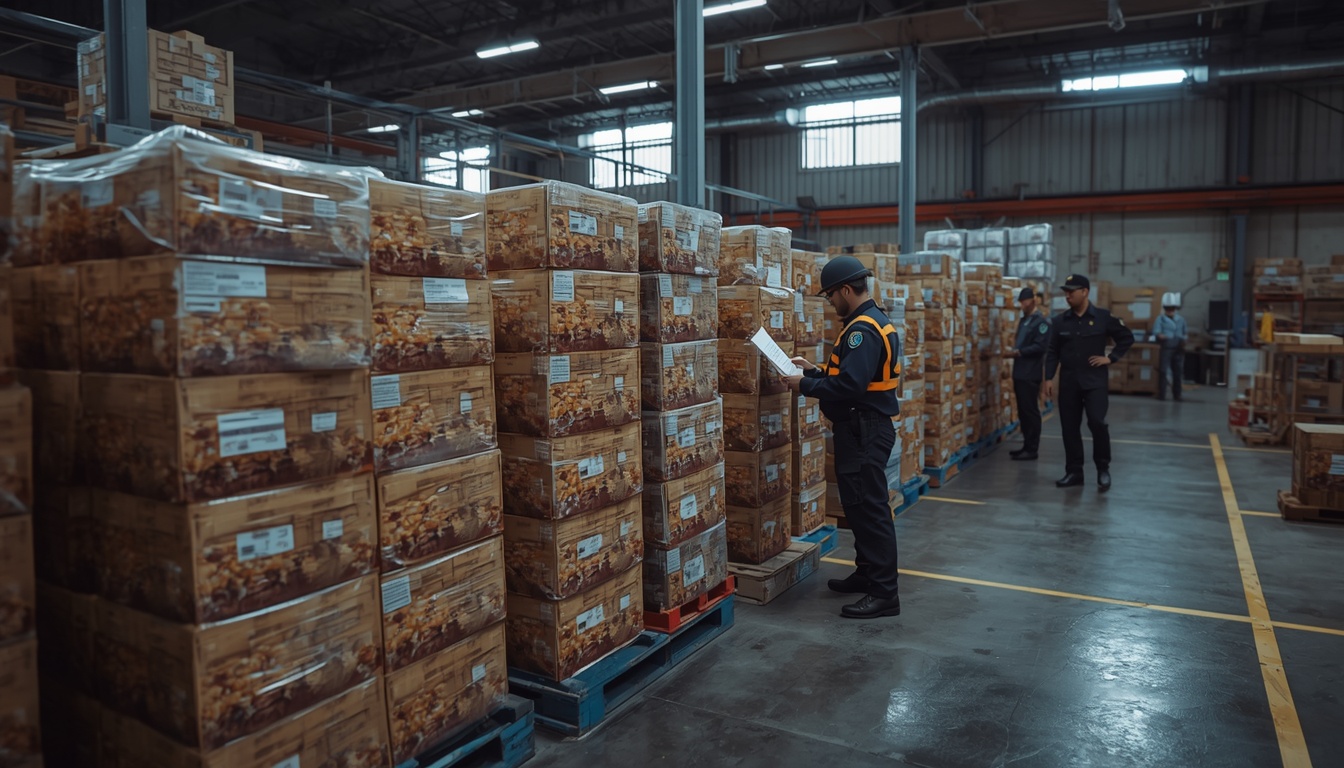
Three main transport routes are used in this trade:
- Sea freight through Iran and Turkish ports into major EU ports such as Rotterdam and Hamburg
- Road transport through Turkey, the Balkans, and Central Europe
- Air freight for high value or urgent shipments
Sea freight remains the dominant method due to lower cost per ton.
Which Country Is Best for Dry Fruits?
Import Duties and Taxes in European Markets
Import duties depend on product type and destination country. On average:
- Customs duties range from 5 percent to 12 percent for dried fruits
- Value Added Tax varies between 7 percent and 25 percent depending on the EU country
- Some categories may qualify for reduced tariffs under trade agreements
Risks and Opportunities in the EU Dried Fruit Market
The main risks include customs delays, strict residue limits, and seasonal price fluctuations. However, opportunities remain strong due to increasing demand for healthy snacks and organic food products. Importers who meet compliance standards can build long term contracts with European wholesalers and retailers.
Frequently Asked Questions
Can you import dried fruit into the EU?
Yes, but products must comply with EU food safety standards, including residue limits and documentation requirements.
What dried fruits does Europe import the most?
Raisins, dates, figs, and apricots are among the most commonly imported dried fruits in Europe.
What documents are needed to import dried fruit into Europe?
You need a commercial invoice, bill of lading, packing list, certificate of origin, and phytosanitary certificate.
How long does shipping take from Iran to Europe?
Sea freight usually takes 20 to 30 days depending on the route and destination port.
Abigail
We are considering importing Iranian raisins and dried apricots for our wholesale business in Germany. Before placing a bulk order, what quality and laboratory documents should we request from the supplier?
afruit
We recommend requesting product specifications, recent laboratory test reports, origin documentation, and any certificates required for your specific EU market. We can also provide pre-shipment testing documentation for bulk orders.