

What Makes an Iran Dried Plum Supplier Export-Ready?
-
Controlled moisture and grading
-
Consistent batch quality
-
Export-grade packaging
-
Stable wholesale pricing
-
Complete trade documentation
Choosing a dried plum supplier often looks simple on paper, yet small gaps in standards can turn into major risks after shipment. Buyers want competitive pricing, but they also need consistency, compliance, and predictability.
This article explains how dried fruit suppliers, particularly Iranian dried plum exporters, operate at wholesale scale and what separates export-ready suppliers from local traders.
Iran plays a strategic role in the global dried plum trade, particularly with products known internationally as Dried Aloo Bukhara. Its production capacity and long processing history make it attractive, but only suppliers aligned with export standards can meet professional expectations.
Iran’s position in the global dried plum supply chain
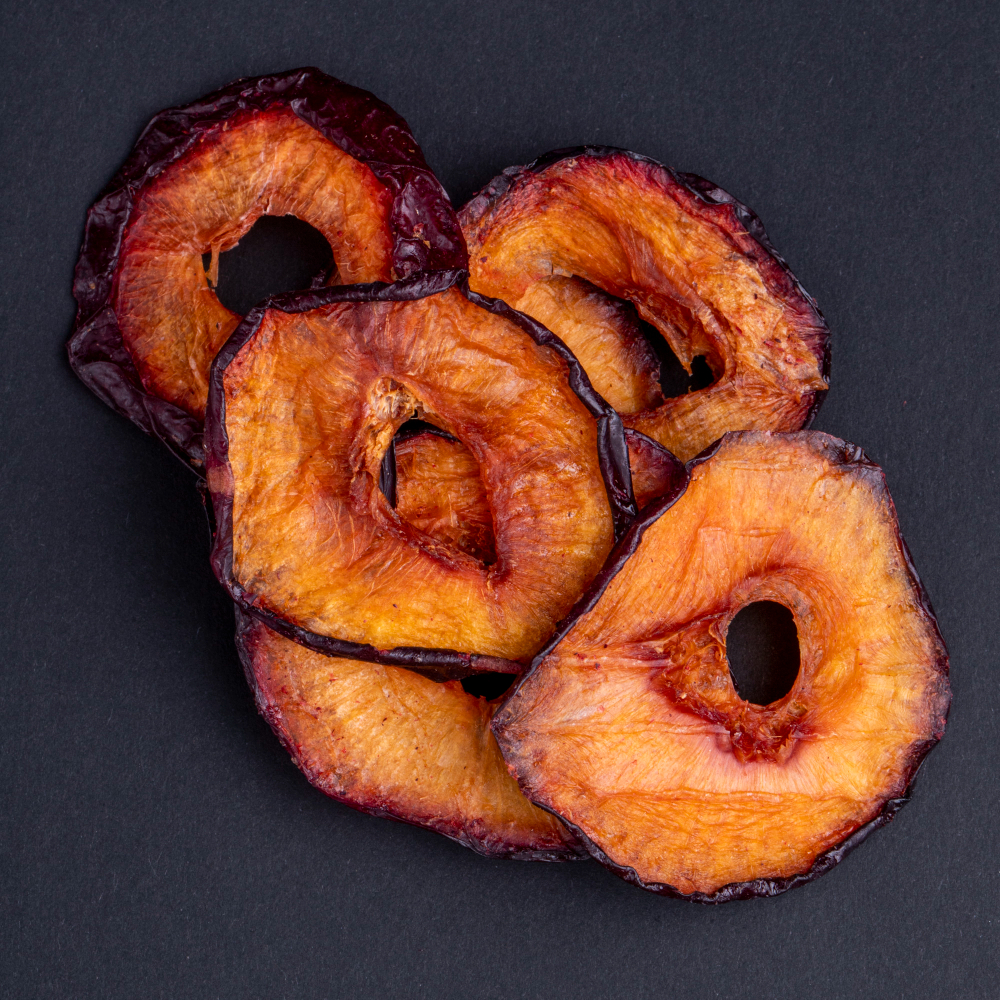
Iranian dried plums are produced mainly in regions with dry climates and established orchard systems. These conditions support controlled drying and stable sugar-acid balance.
For bulk buyers, the advantage is not volume alone but continuity, especially when comparing pricing logic across categories such as those outlined in the Iran dry fruits price list. Export-oriented suppliers focus on year-round availability, uniform grading, and predictable lead times, which reduces supply chain volatility.
What defines an export-grade Iranian dried plum supplier
1. Consistent quality control across production batches
Export-grade suppliers maintain defined moisture ranges, calibrated sorting lines, and documented inspection procedures.
This level of consistency is also expected by buyers sourcing other standardized products such as Iranian dried apples, where uniformity across shipments directly affects downstream processing.
2. Compliance with international food safety expectations
Professional suppliers operate under hygiene protocols that include raw material inspection, controlled drying environments, and batch traceability.
Similar compliance benchmarks apply when working with specialized exporters such as an Iran dried cherry supplier, where rejection risk and port clearance depend heavily on documentation discipline.
3. Wholesale packaging aligned with logistics realities
Bulk dried plums are usually packed in multi-layer cartons with food-grade inner liners. Export suppliers design packaging to withstand long transit times, temperature variation, and container handling, a standard also seen in bulk citrus products like those discussed in where to buy dried orange slices for international shipment.
Wholesale pricing logic and risk signals
Dried plum pricing in Iran varies by grade, moisture tolerance, pit presence, and order volume. Export suppliers price based on specification, not market fluctuation alone.
This approach mirrors pricing structures used in other premium categories such as Iran dried fig pricing, where quality definition matters more than spot-market discounts.
Extremely low offers often indicate higher moisture levels, inconsistent sizing, or limited quality control. For bulk buyers, stable pricing over multiple shipments is often a stronger indicator of reliability than short-term discounts.
Supply capacity and long-term partnership readiness
4. Scalability and contract fulfillment capability
Export-focused suppliers plan production based on seasonal yield forecasts and inventory rotation. This production discipline allows them to support repeat orders and private label programs in the same way large-volume suppliers manage products like dried apricots for wholesale export without disruption.
5. Documentation and trade readiness
Reliable suppliers provide export documentation, packing lists, and certificates required for international clearance. This administrative readiness saves buyers time and reduces operational friction.
How buyers can evaluate the right supplier
A practical evaluation starts with specification clarity, followed by sample consistency, packaging review, and communication transparency.
Importers applying this process across different product lines, including items like dried apple for bulk supply, typically achieve lower sourcing risk and more stable long-term partnerships.
Frequently Asked Questions
What is an export-grade dried plum?
It is a dried plum processed under controlled conditions with defined moisture, grading, and hygiene standards suitable for international trade.
Is Iranian dried plum suitable for large-scale import?
Yes, when sourced from suppliers with export infrastructure, quality control systems, and documented compliance.
What packaging is standard for wholesale dried plums?
Most export shipments use reinforced cartons with food-grade inner liners designed for bulk transport and long storage.