
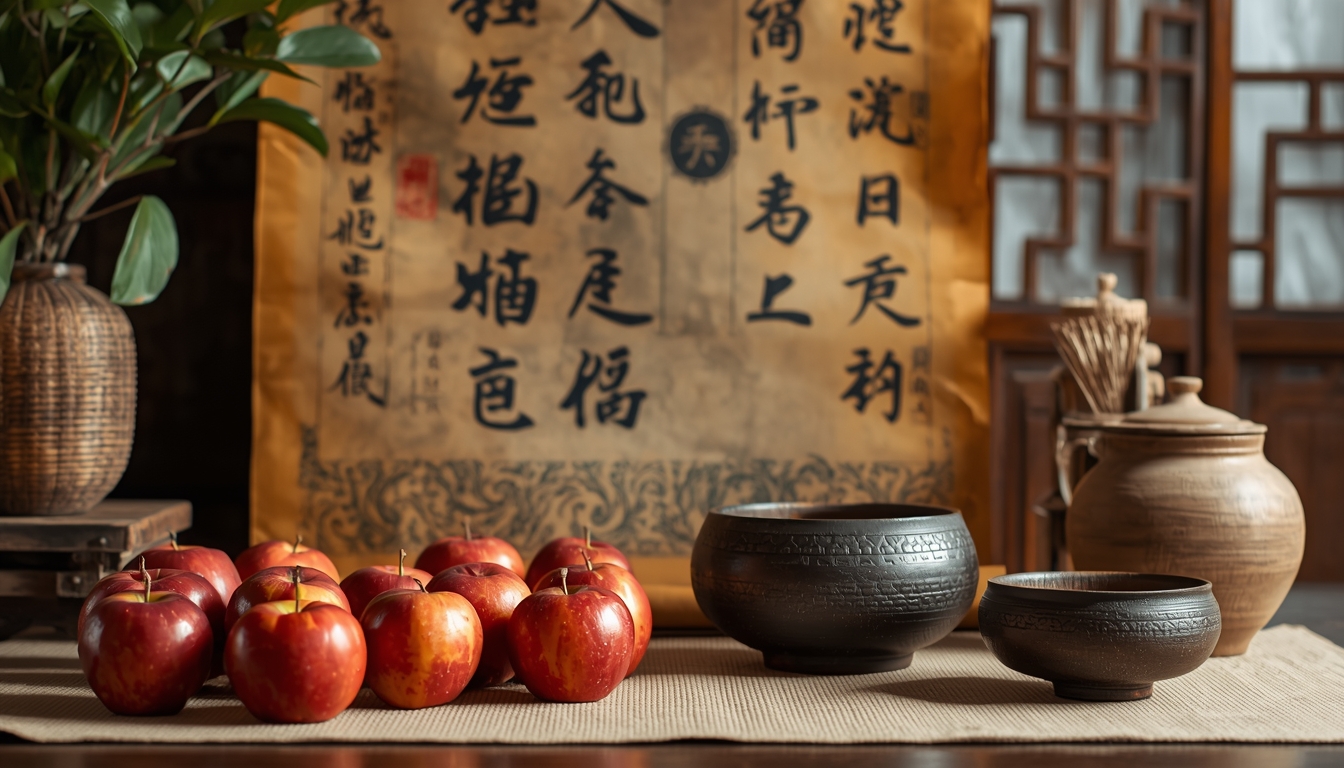
Apple in TCM
An everyday fruit can be both cooling and nourishing at the same time. That sounds contradictory, doesn’t it? In Apple in Traditional Chinese Medicine TCM, this paradox makes perfect sense.
This article explains how apples are classified in Traditional Chinese Medicine, how their energetic nature influences digestion and lung health, and how to use them correctly according to TCM principles. By understanding Apple TCM theory, readers gain practical dietary insight grounded in a medical system practiced for more than 2,000 years.
For readers interested in the commercial and export side of apples, you can also explore detailed information about About Apple Fruit.
Understanding Food Classification in Apple in Traditional Chinese Medicine
In Traditional Chinese Medicine, food is not judged only by vitamins or calories. It is evaluated based on thermal nature, flavor, and meridian affiliation. Apples, whether fresh or processed into products like Dried Apple, retain energetic characteristics that influence how they are interpreted in TCM.
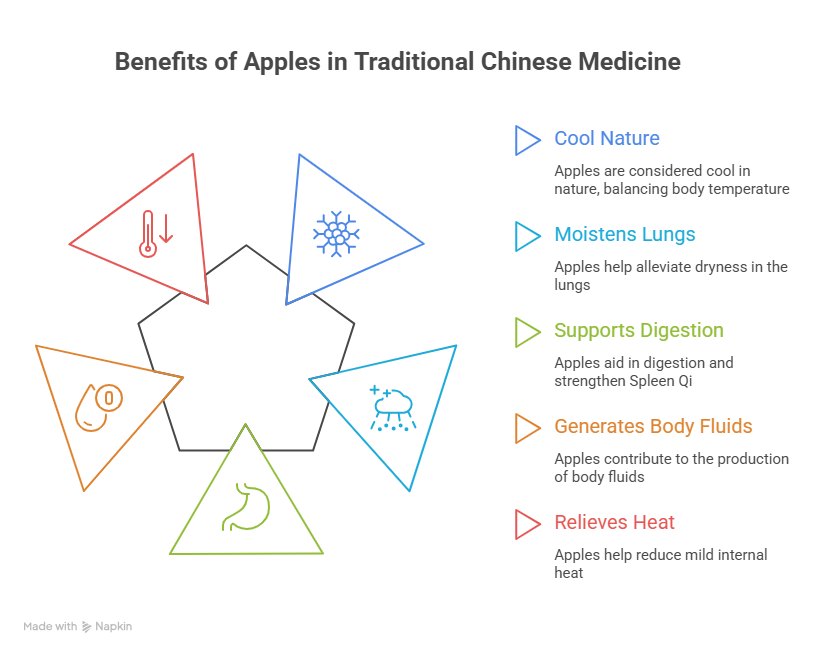
Foods can be hot, warm, neutral, cool, or cold. They also carry flavors such as sweet or sour, each linked to organ systems. Apples are generally considered cool in nature with a sweet and slightly sour flavor, and their dried forms are widely traded alongside other products in the Dried Fruit category.
According to TCM dietary therapy principles, apples primarily enter the Lung, Spleen, and Stomach meridians. This classification explains their traditional use for dry cough, thirst, and mild digestive discomfort, and similar fruit-based therapeutic applications can also be observed in products like Dried Fig.
Table: Raw vs Cooked Apple in TCM
| Preparation | Effect |
|---|---|
| Raw apple | More cooling |
| Steamed apple | Gentle on digestion |
| Baked apple | Warms slightly, easier absorption |
Energetic Profile of Apple TCM and Organ Support
Apple TCM theory describes the fruit as moistening and fluid-generating. This matters because dryness is a common imbalance in TCM, especially affecting the lungs. In international markets, processed options such as Dried Apricot are often compared with dried apple in terms of texture and application.
When dryness accumulates, symptoms such as dry throat, irritability, or constipation may appear. Apples help nourish body fluids and clear mild internal heat, and for those evaluating bulk purchasing options, current trends can be reviewed in the Iran Dried Apple Price report.
Modern nutritional research supports part of this view. Apples contain soluble fiber such as pectin, which supports gut health and regularity. For broader market insight, the updated Iran Dry Fruits Price List provides comparative pricing across multiple dried fruit categories.
1. How Apple TCM Supports Digestion
Apples strengthen the Spleen and regulate Stomach function in TCM theory. In commercial food supply chains, understanding the source and processing method is essential, and working with a reliable Dried Apple Supplier in Iran ensures consistency in quality.
Stewed apples are often recommended for individuals with weak digestion because cooking reduces their cooling effect and makes them easier to absorb. Different apple varieties, described in Apple Fruit Kinds, may vary slightly in sweetness and texture, influencing both culinary and commercial applications.
What if someone feels bloated after eating raw fruit? In TCM practice, lightly cooking apples may solve that issue without eliminating their benefits.
2. How Apple in Traditional Chinese Medicine TCM Benefits the Lungs
Dry cough without thick phlegm is often associated with Lung Yin deficiency in TCM. Apples are used to moisten Lung Yin and relieve mild dryness-related symptoms.
Traditional home remedies include simmering apples with a small amount of honey. The sweetness supports fluid production while the cooling nature moderates internal heat.
3. How to Use Apple TCM According to Body Constitution
Not every person should consume apples in the same way.
Individuals with cold digestive patterns may experience discomfort from excessive raw apple intake. In such cases, baked or steamed apples are preferred.
Season also matters. During dry autumn months, apples are considered especially beneficial because they counteract environmental dryness.
Differences Between Apple TCM and Western Nutrition
Western nutrition emphasizes antioxidants, vitamin C, and fiber. Apple TCM focuses on energetic balance and organ systems.
Both perspectives can coexist. One explains biochemical effects. The other interprets physiological balance through Yin, Yang, and Qi. Together, they offer a broader understanding of this simple fruit.
Conclusion on Apple in TCM
Apple in Traditional Chinese Medicine TCM demonstrates how food can function as gentle therapy.
By recognizing its cooling nature, sweet flavor, and organ associations, readers can apply apple consumption more intentionally. Whether eaten raw in summer or stewed in winter, apples remain a practical example of food as medicine.
Frequently Asked Questions About Apple in Traditional Chinese Medicine TCM
Is apple considered hot or cold in TCM
Apple is generally classified as cool. It helps clear mild heat and generate body fluids.
Can apples help with cough according to TCM
Yes. Apples are traditionally used to moisten Lung Yin and relieve dry cough symptoms.
Should apples be eaten raw or cooked in TCM
Both are acceptable. Raw apples suit heat conditions. Cooked apples are better for weak digestion or cold patterns.