
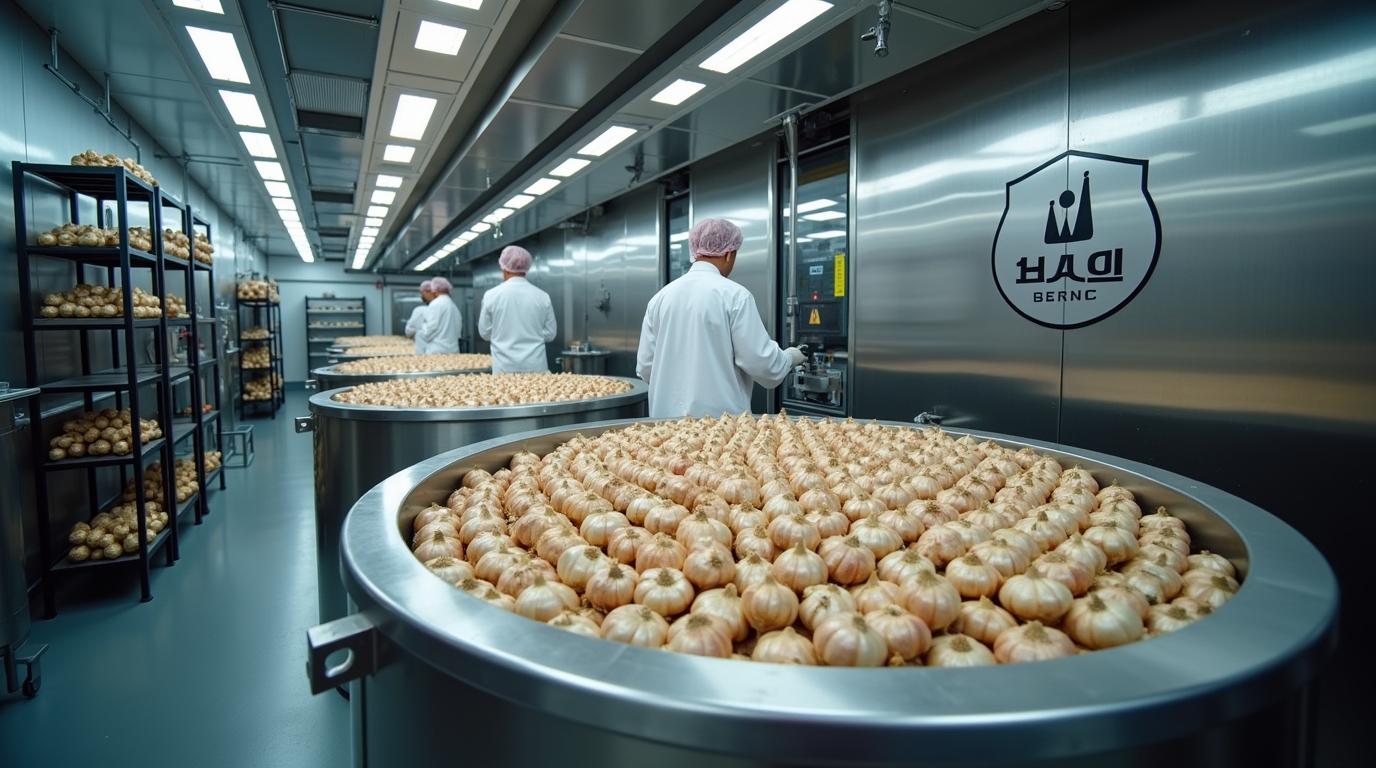
Black garlic is a paradox in food processing. It starts as raw garlic yet ends with a sweet, dark, and soft product valued in premium markets, much like how other fresh vegetables undergo transformation after harvest. The Iranian black garlic recipe reflects this change through controlled fermentation rather than cooking. For buyers and distributors, understanding the process is not about home preparation.
It is about verifying quality, consistency, and scalability, similar to how export buyers evaluate fresh produce such as tomato before entering long-term supply agreements. This article explains how Iranian black garlic is made, why origin matters, and how the process supports export readiness.
Just as supply-chain parameters are critical for products like onion, controlled fermentation relies on precise environmental conditions to achieve reliable results at scale.
Table: Key Processing Parameters in Iranian Black Garlic
The same level of process control found in dried vegetables applies to black garlic production, where temperature, humidity, and time define final quality.
| Parameter | Controlled Range | Why It Matters |
|---|---|---|
| Temperature | 60–80°C | Enables Maillard reaction without burning |
| Humidity | 70–90% | Prevents drying and microbial growth |
| Duration | 20–40 days | Ensures full flavor and color development |
| No additives | 100% | Clean label and export compliance |
What Makes Iranian Black Garlic Distinct
Iranian black garlic is produced from locally grown garlic varieties known for high dry matter and balanced sulfur compounds, a quality approach also seen in carefully processed items like dried tomato. These traits allow slow fermentation without structural collapse. Instead of additives, time and environment do the work.
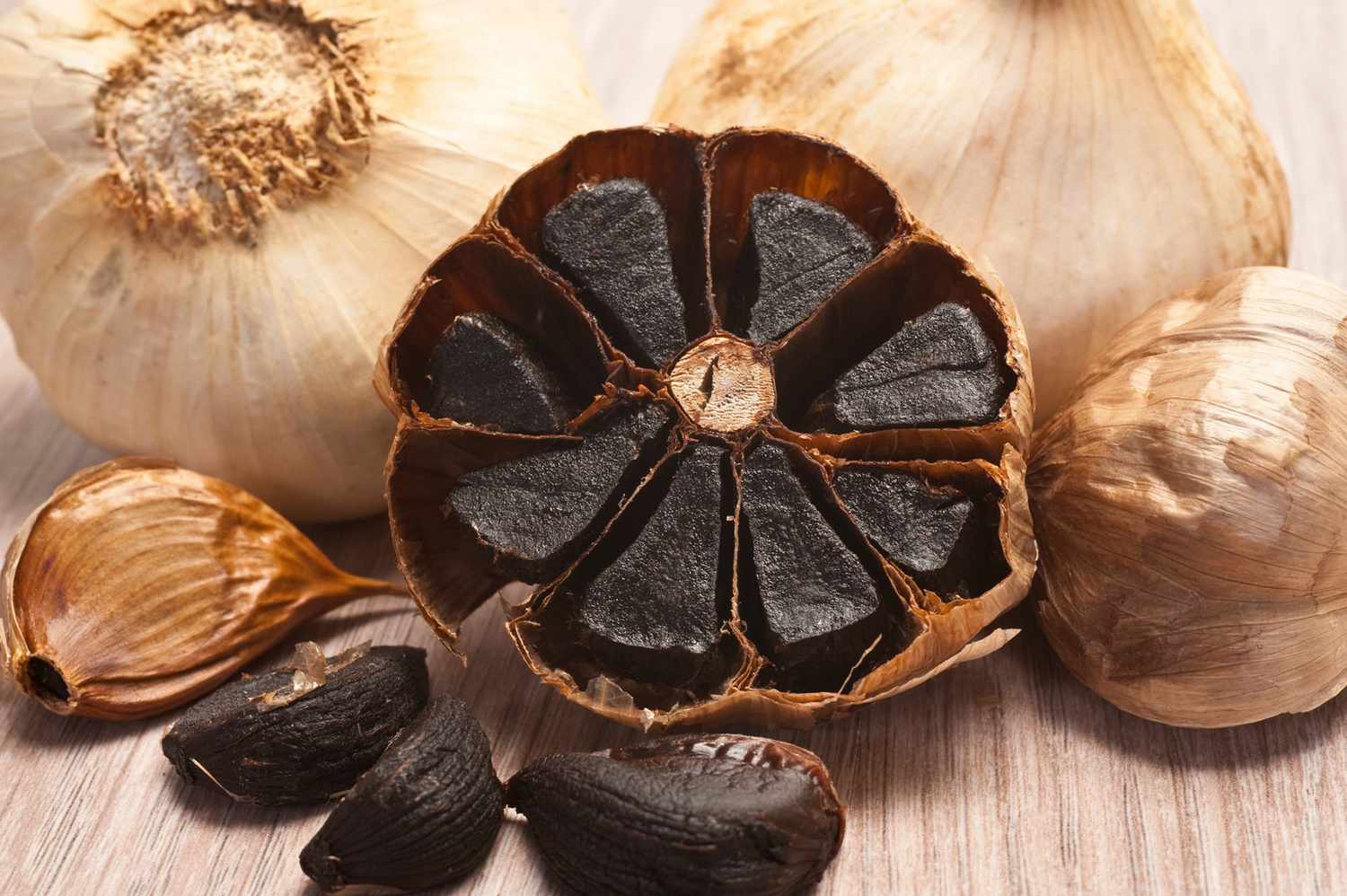
The result is a product with deep color, mild acidity, and a stable umami profile, offering consistency similar to standardized products such as dried onion used in industrial food applications. This combination supports long shelf life and predictable flavor, which matters in commercial supply chains.
Traditional and Controlled Fermentation Methods
Traditional methods rely on natural heat and humidity, often producing uneven results. Modern Iranian producers use controlled chambers to ensure repeatability, reflecting the same precision required in producing garlic powder for global markets.
Sugars and amino acids transform without burning or microbial spoilage. This controlled approach reduces waste and ensures batch consistency, a key requirement for bulk buyers of processed ingredients like onion powder.
Step-by-Step Iranian Black Garlic Production Process
1. Selection of Raw Garlic Bulbs
Only mature, undamaged garlic heads are selected, following sourcing standards similar to those used for tomato powder production. Uniform size ensures even fermentation.
2. Controlled Fermentation Environment
Garlic is placed in food-grade chambers with steady heat and humidity. No external ingredients are added, preserving a clean-label profile valued in export-oriented processing.
3. Slow Transformation Phase
Over several weeks, cloves darken naturally. Texture softens while moisture stabilizes, comparable to slow dehydration processes used in decorative food products like dried orange garland.
4. Cooling and Stabilization
After fermentation, garlic rests under controlled conditions to lock in flavor and structure, an essential step for products intended for international distribution.
5. Final Quality Assessment
Color, aroma, moisture level, and taste are evaluated before packaging, similar to export checks applied when buyers ask where to buy dried orange from reliable suppliers.
Flavor Profile and Culinary Applications
Iranian black garlic has a soft, jelly-like texture with notes of molasses, balsamic vinegar, and mild caramel. The sharpness of raw garlic disappears, much like the flavor transformation observed in products analyzed in Iran dried apple price reports.
This makes it suitable for sauces, marinades, compound butters, and ready meals. Its consistency allows chefs and manufacturers to use it as an ingredient rather than a garnish.
Quality Indicators for Buyers
High-quality black garlic shows uniform black color, no bitterness, and low surface moisture. Cloves should compress easily without leaking. These indicators help buyers assess processing accuracy before committing to volume orders.
Shelf Life, Storage, and Export Suitability
When stored in cool, dry conditions, Iranian black garlic maintains quality for extended periods. Controlled fermentation reduces microbial risk, making it suitable for long-distance transport. This stability supports private labeling, bulk packaging, and diversified export markets.
Why Iranian Black Garlic Fits Global Trade
The Iranian black garlic recipe combines agricultural strength with controlled processing. It delivers consistency, traceability, and flavor reliability. For importers, this means fewer quality disputes and clearer product positioning.
Frequently Asked Questions
How long does it take to produce Iranian black garlic?
The fermentation process typically takes several weeks, depending on environmental control.
Is black garlic fermented or cooked?
It is fermented under controlled heat and humidity, not cooked.
What does Iranian black garlic taste like?
It has a mild, sweet, umami flavor with no sharp garlic bite.