
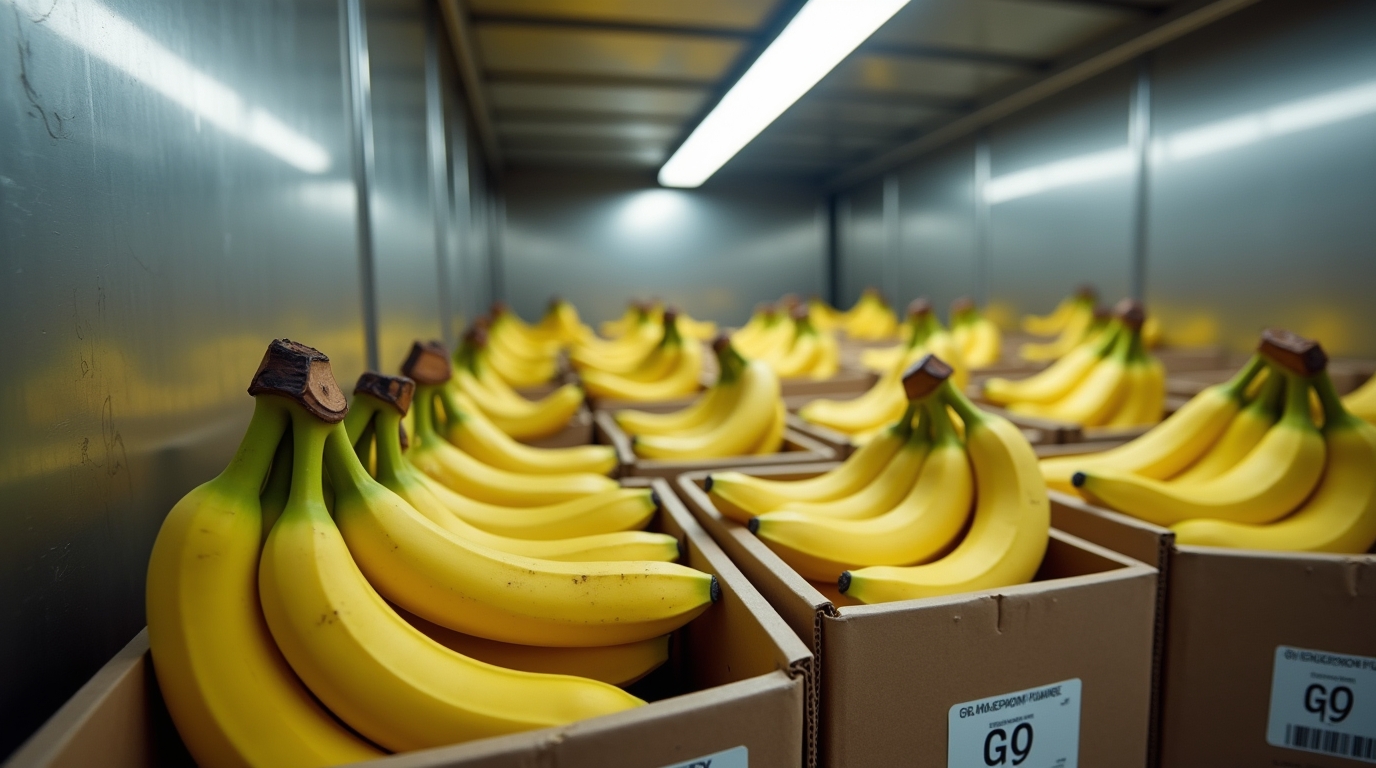
How does banana export to Iran from India work for bulk importers, and what should buyers consider before placing an order?
-
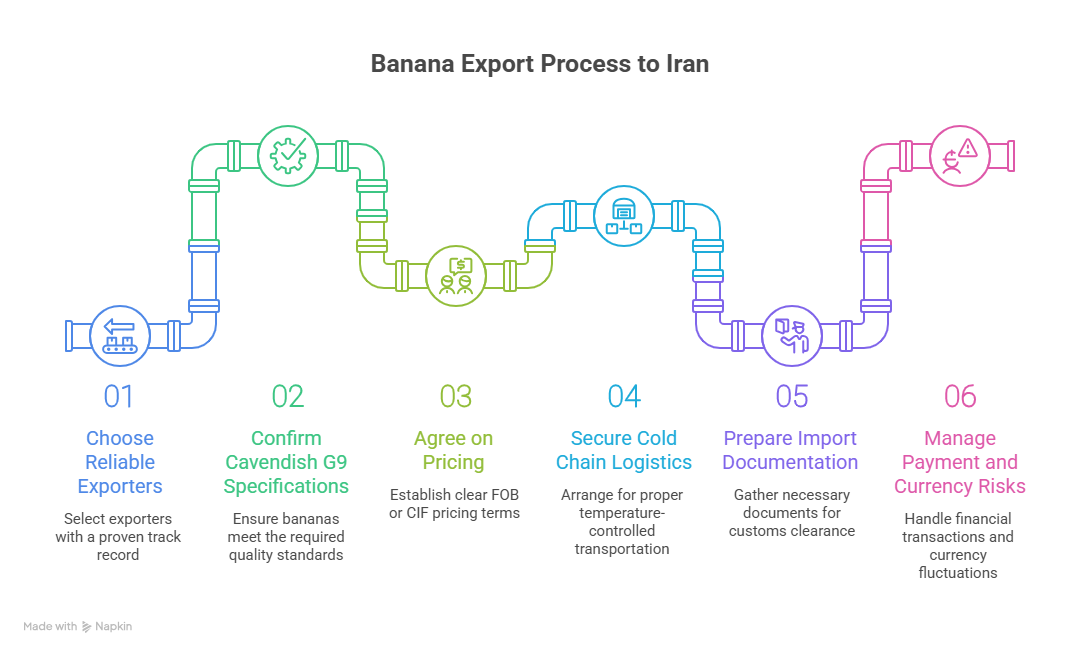
Choose reliable Indian exporters with export history
-
Confirm Cavendish G9 specifications
-
Agree on FOB or CIF pricing clearly
-
Secure cold chain logistics
-
Prepare import documentation in advance
-
Manage payment and currency risks professionally
India supplies bananas to many regional markets, yet Iran stands out as a destination where price sensitivity meets steady demand. For importers and traders already active in the fresh fruit segment, understanding how banana export to Iran from India actually works can reduce risk, control costs, and improve margins.
This article walks through the market logic, the export process, and the practical details that matter most for bulk buyers who often compare banana sourcing with other imported fruits such as Apple and Kiwi in the Iranian market.
Why Iran Relies on Indian Banana Supply
Iran’s domestic banana production is limited by climate, making imports essential year-round, much like other high-demand fruits such as Pomegranate and Dates. India, as one of the world’s largest banana producers, offers scale, consistent quality, and competitive pricing.
Cavendish G9 bananas dominate this trade because they tolerate long transit times and controlled ripening, similar to export-oriented fruits like Cherry and apricot that require strict post-harvest handling.
This combination explains why Indian bananas remain visible in Iranian wholesale markets, alongside seasonal products such as Melons, even during volatile trade periods.
Market Dynamics and Trade Context
Recent international trade data shows that fresh banana imports into Iran fluctuate with currency conditions and logistics access, yet India remains a stable supplier compared to Latin American origins. This stability mirrors trends seen in other fruit categories and even processed segments like Dried Fruit, where supply consistency strongly influences buyer decisions.
Shorter sea routes from western Indian ports to southern Iran help control freight costs. For Iranian buyers used to managing mixed portfolios of fresh and processed products such as Dried Apricot and Dried Fig, this geographic advantage often offsets small price differences at origin.
The Export Process from India to Iran
The banana export process follows a structured path that prioritizes freshness and compliance, similar to export workflows used for products like Dried Apple and other value-added fruit categories.
1. Harvesting and Pre-Export Handling
Bananas are harvested at mature green stage, washed, graded, and packed in ventilated cartons. Temperature control begins immediately to slow ripening, a principle equally critical in preserving quality for products such as Dried Orange during processing and storage.
2. Documentation and Compliance
Exporters prepare commercial invoices, packing lists, certificates of origin, and phytosanitary certificates aligned with Iranian import regulations. Accurate documentation is essential to avoid delays, especially for importers who manage diversified shipments including Dried Cherry alongside fresh fruit consignments.
3. Shipping and Transit
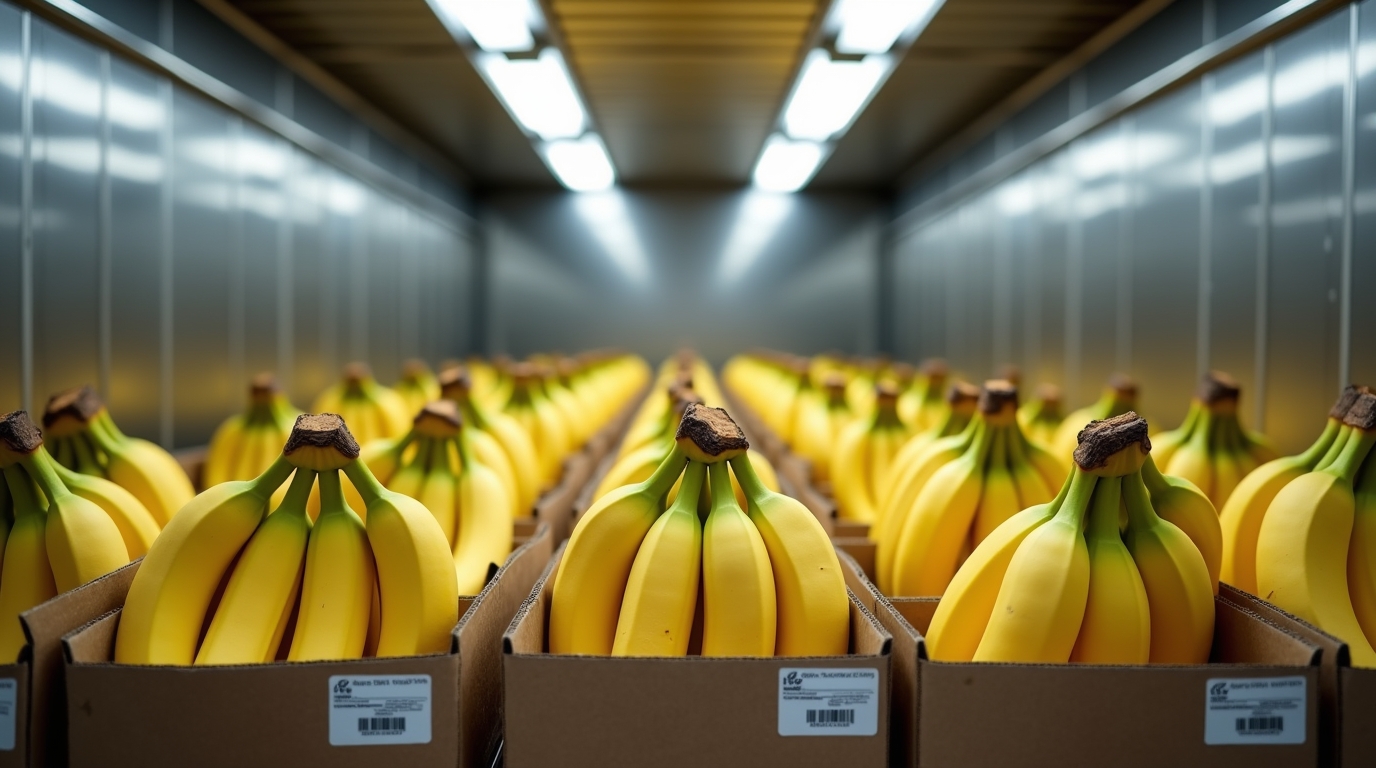
Reefer containers maintain stable temperatures during sea transit, usually arriving at southern Iranian ports within a few weeks. Timing matters because even small delays affect shelf life.
Pricing Structure and Trade Terms
Banana export pricing from India to Iran is commonly quoted under FOB or CIF terms. Prices depend on season, carton weight, container capacity, and shipping conditions. Bulk buyers often negotiate better rates by committing to regular volumes rather than spot purchases.
What if a small pricing difference at origin leads to a larger gain at destination due to lower spoilage? A similar cost–value dynamic can also be seen in processed fruit markets, where buyers closely monitor reference benchmarks such as the Iran Dried Apple Price to evaluate long-term margin stability rather than short-term discounts.
Risk Factors Buyers Should Consider
Sanctions-related banking limitations, currency fluctuations, and port congestion can affect transactions. Experienced traders mitigate these risks through flexible payment structures, reliable freight partners, and clear quality specifications agreed in advance.
In comparable dried fruit trades, working with a verified origin partner—such as a trusted Dried Apple Supplier in Iran—often reduces documentation errors and settlement delays.
How Importers Can Gain a Competitive Edge
Successful buyers focus on exporter reliability rather than headline prices alone. Consistent quality, accurate documentation, and predictable logistics often matter more than marginal cost savings.
In banana trade, stability is profit. This approach mirrors sourcing strategies in other fruit categories, where buyers first identify dependable channels—much like knowing exactly Where to Buy Dried Orange Slices—before negotiating volume or price.
Frequently Asked Questions
How long does it take to ship bananas from India to Iran?
Transit time usually ranges from two to three weeks depending on port pair and shipping schedule, a timeline comparable to other regional fruit trades listed in the Iran Dry Fruits Price List.
Which banana variety is most exported to Iran from India?
Cavendish G9 is the dominant variety due to uniform size, durability, and market acceptance.
What documents are required to import bananas into Iran?
Key documents include a commercial invoice, packing list, certificate of origin, and phytosanitary certificate. Importers familiar with structured compliance frameworks—such as those outlined in the Iran Dried Fruits Export Guide—tend to face fewer clearance issues.
Is cold chain mandatory for banana imports?
Yes. Continuous temperature control is essential to maintain quality and reduce losses.